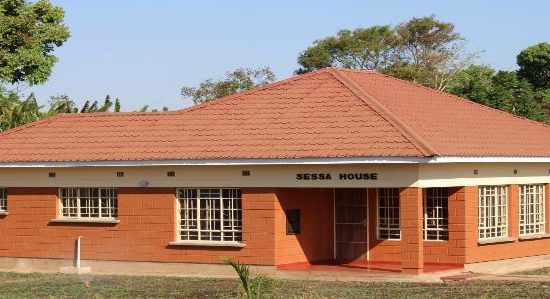


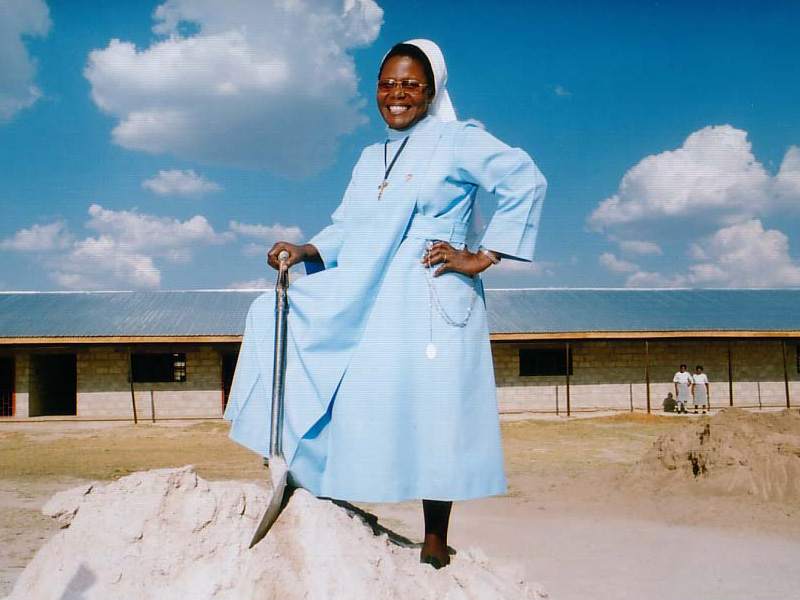
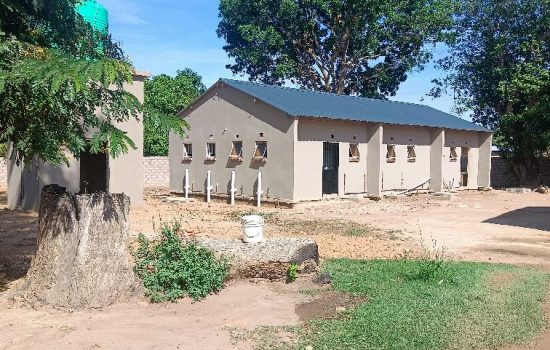
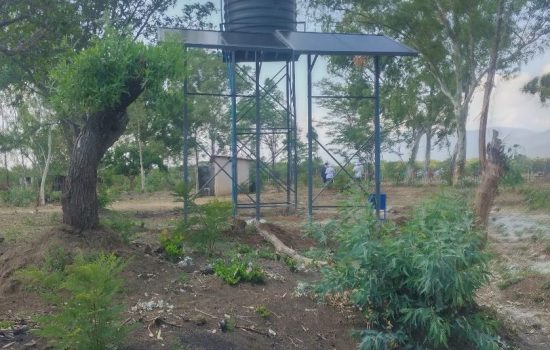
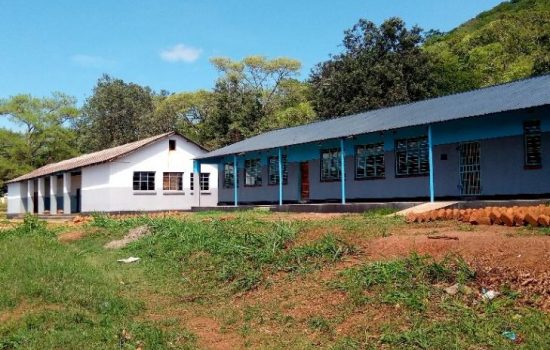
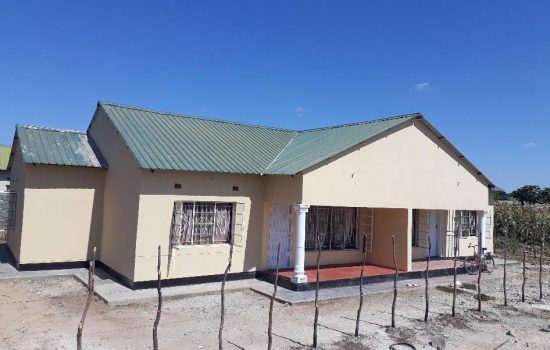
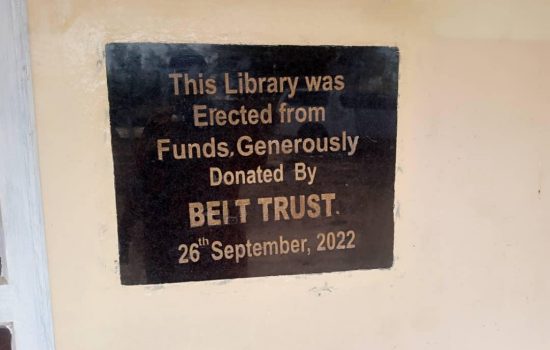
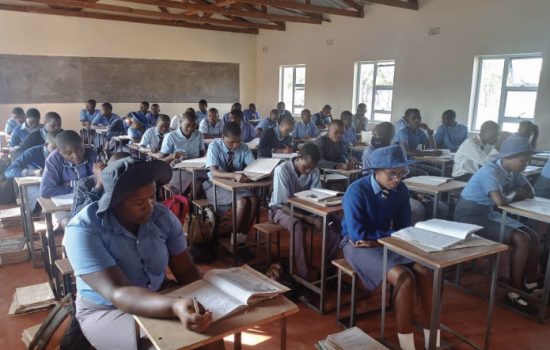
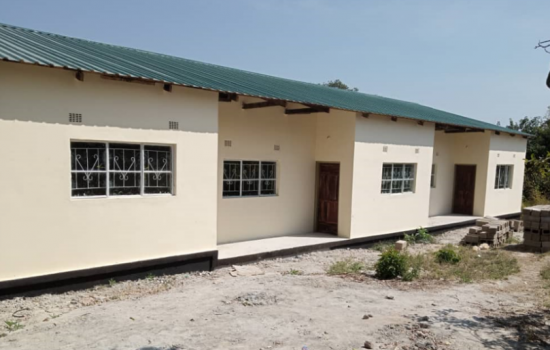
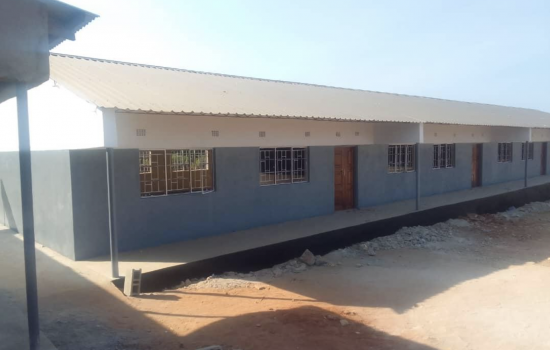
Classroom block with an office
Zambia – July 2023
Read more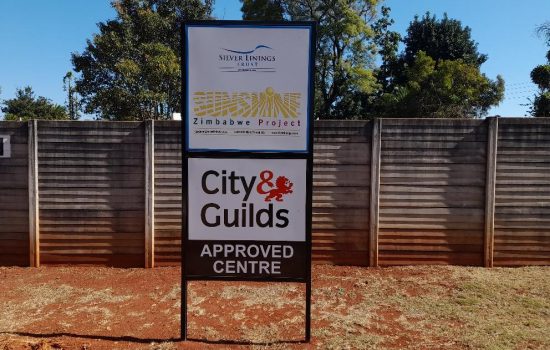
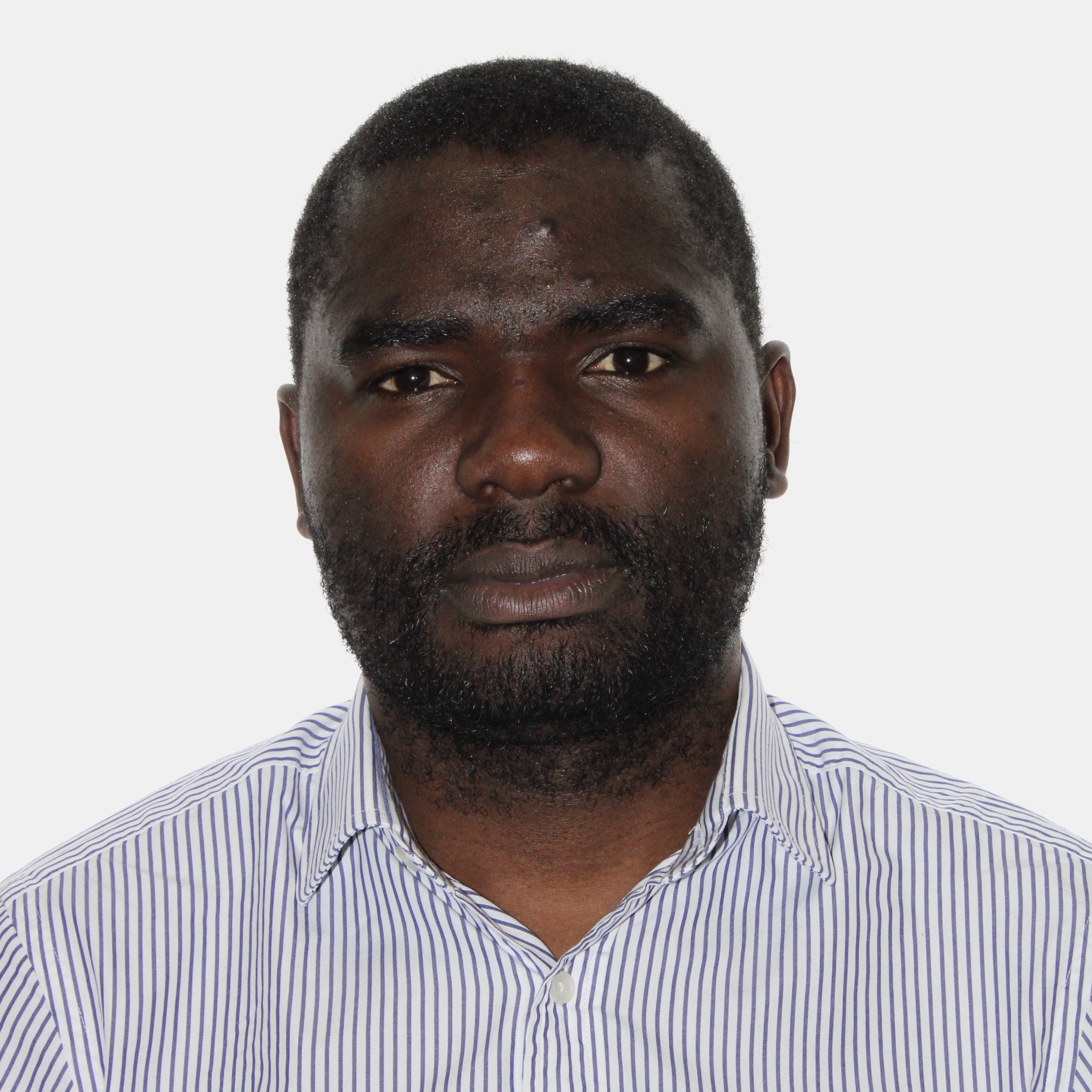
I graduated in 2012 from the University of Malawi with a BSc in Electrical Engineering (with Distinction).
My area of expertise is in electricity planning and investment. I chose this area because I strongly believe that access to reliable and affordable energy is critical for development.
The qualification I acquired at Strathclyde opened my eyes to key issues in power system planning, economics, and markets. Using this knowledge, I became a crucial member of a team that was engaging with Independent Power Producers (IPPs) on behalf of ESCOM, the power utility in Malawi. Then, the qualification and experience were fundamental to my admission into the Ph.D. programme where I wrote a thesis on planning the grid integration of minigrids in developing countries.
Giving back to Malawi, I have worked for the power utility in Malawi, researched the future convergence of grid and off-grid electrification in developing countries. I am a guest lecturer at Malawi University of Business and Applied Sciences (MUBAS) on energy topics. I supervise student project at MUBAS.
In my free time, I am an avid writer and communicator of inspirational and motivational material. I strive to write at least two paragraphs of such material every day. On motivation, I agree with Zig Ziglar who said, “People often say that motivation does not last. Well, neither does bathing – that is why we recommend it daily.”
My advice to future Beit Scholars is to begin with determination, continue with unwavering dedication, and you will inevitably become the best version of yourself.
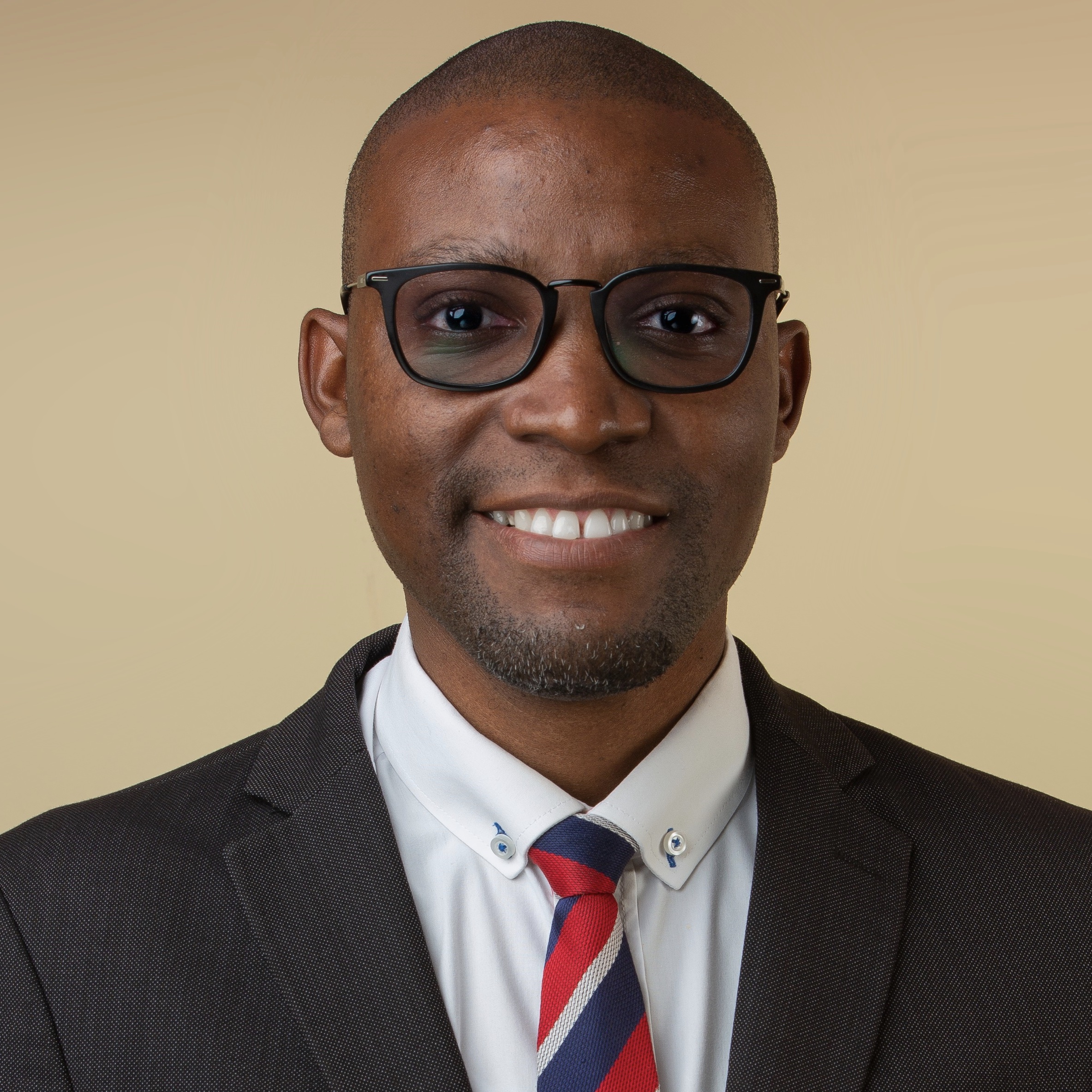
I studied for my Bachelor of Pharmacy Degree at the University of Zambia. I was elected as Committee Member and later Publicity Secretary for the Pharmacy Students Association. I was appointed as Class Representative in the final year of my studies. I graduated in the top 1% of my class and achieved academic awards of Best Final Year Student in Biopharmacy, Best Final Year Student in Clinical Pharmacy and Best Final Year Student in Dosage form, design and formulations.
I have specialised in drug discovery, design and development and the analysis of pharmaceutical products. My academic expertise is biased towards the isolation, characterisation and bio-activity evaluation of natural products as a potential source of drugs. My research focus includes the exploration of African indigenous knowledge systems for the discovery of medicinal plants with activity against highly infectious, non-communicable and neglected tropical diseases.
I chose to study pharmaceutical chemistry and natural product drug discovery because of a strong desire to contribute to the alleviation of human suffering, especially in low-income African countries, through the discovery of safer, more effective and cost-effective medicines.
The Beit Trust Scholarship Award provided me with an opportunity to receive a world-class education at Rhodes University (SA) that enabled me to acquire knowledge, skills and attitudes which have empowered me to become an effective leader, a pharmacy educator and a published researcher.
I am currently the Dean of the Faculty of Pharmacy, Nutrition and Dietetics at the Lusaka Apex Medical University (LAMU). I am also a Senior Lecturer in Pharmaceutical Chemistry and Medicinal Chemistry. I serve as Board Member for the Zambia Medicines Regulatory Authority (ZAMRA) and member of the ZAMRA Legal Committee through which I provide guidance on the regulation of medicines and allied substances. I am an appointed Member of the Zambia Pharmaceutical Manufacturing Initiative (ZPMI) Steering Committee that is established to revamp the local and regional pharmaceutical manufacturing industry. I am also Chairperson of the ZPMI Research and Development, technology transfer, skill and training Committee. I have professional memberships with the Pharmaceutical Society of Zambia (PSZ) and the Royal Society of Chemistry (RSC). I am a consultant and expert advisor on natural product research, medicines regulation and curriculum development. I am currently a Programme Key Expert with the Southern African Regional Universities Association (SARUA) for the SADC Regional Industrial Pharmacy Fellowship Program.
I have given back to my Country and the region through my role of providing an education to mostly young people and thereby, equipping them with knowledge, skills and attitudes that enable them to contribute to the improvement of people’s health. Through my role as Board Member for the Zambia Medicines Regulatory Authority (ZAMRA), I contribute to decisions and policies that lead to the improvement of the quality standards of medicines and allied substances that are utilised in Zambia and the region.
I have a keen interest in digital art and design. I am a self-taught graphics designer with intermediate experience in Adobe Illustrator, Indesign, Photoshop and After Effects. I am also fascinated by african crafts and functional art pieces. I am a Co-founder of an African arts and crafts small-to-medium enterprise (SME) called “Emporium of Africa” that empowers women of low-economic status to produce and sell woven and leather crafts of high aesthetic value using locally sourced inexpensive natural materials.
I like watching sport and I am an ardent supporter of Chelsea Football Club. I also like watching Sci-Fi, thriller and mystery movies. I enjoy reading the Bible and other Christian literature, attending church services and listening to contemporary gospel, worship, afrobeat and hip-hop genres of Christian music.
My advise to future scholars is that they should always trust and put God first despite the challenges that they may encounter throughout their studies and beyond. If they do that, nothing shall be impossible for them to achieve.
I am eternally grateful to the Beit Trust Scholarship for literally changing my life by giving me an opportunity of a lifetime. A special thank you to the previous Secretary to the Trustees, General Ramsey and his wife, and to Emma, then Scholarship Secretary, for all the assistance rendered and belief in me during my most trying moments.
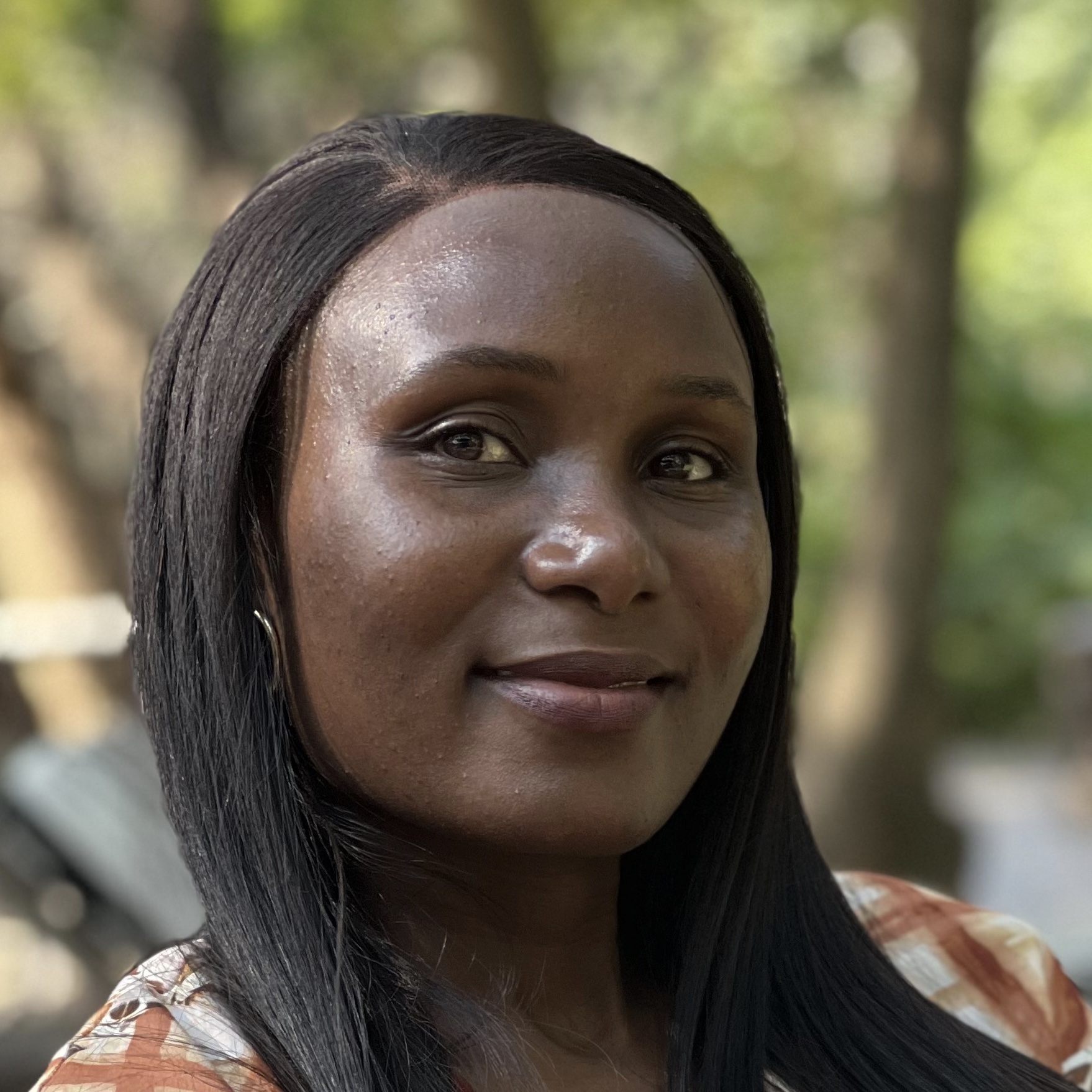
I graduated from the Copperbelt University in 2011 with a Bachelor of Engineering in Environmental Engineering with Distinction.
My area of expertise is in Water and Sanitation with a focus on improving the status in developing countries. My interest in choosing the course was on the based on the exposure it would offer with regards to improving water supply and sanitation in developing nations.
The award helped me build my skill set especially with project design and management. My career started as a Peri-Urban Engineer under the Peri-Urban Department (PUD) in Lusaka Water and Sewerage Company Limited; PUD is a department dedicated solely to provide water and sanitation services to the low –income areas in Lusaka, Zambia. I then worked under the Lusaka Sanitation Program a Lusaka Water and Sewerage Company initiative to improve access to safe and sustainable sanitation in the city of Lusaka. My area of focus under the program was to provide support in coordinating, planning, design and implementation of programs that will scale up the provision Non –sewer Sanitation services as well as facilitate the new delivery models and mechanisms for the entire sanitation service chain for the utility. Currently and supporting the world Bank with delivering similar projects in Malawi, Mozambique and Tanzania.
I’m currently supporting the world bank to deliver water and sanitation projects in the South and Eastern part of Africa with the focus on improving the lessons learnt during the implementation in Zambia.
I have keen interest in social and economic issues, mentoring the young generation in career development in STEM. My hobbies include reading, cooking and gardening.
My advice to future Beit Scholars is to be passionate about your studies and work hard.
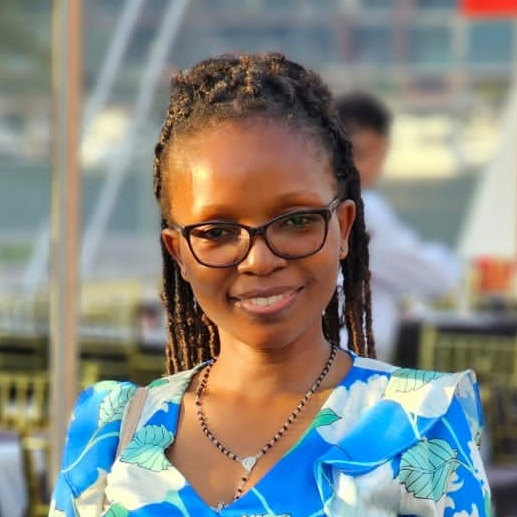
I am a seasoned finance professional with experience in financial planning and analysis.
I picked Development Finance in my postgraduate studies just to understand the effectiveness of aid in developing countries. Basically, to try and find solutions to the multifaceted economic development problem.
I joined the Central Bank soon after my studies, which is at the core of economic development.
Working for the Central Bank has given me an opportunity to contribute in a small way to the formulation of monetary policies of Malawi.
I enjoy watching football, playing volleyball and visiting new places.
My advice is to never stop being curious. Wishing future scholars all the best.
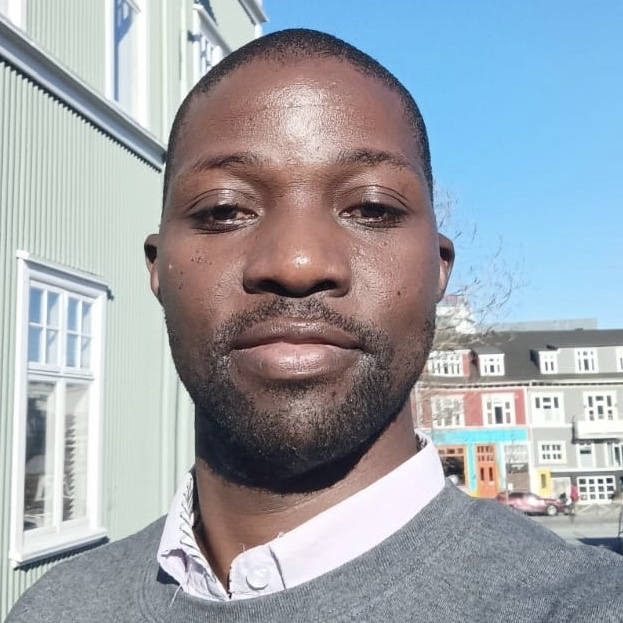
I graduated with Bachelor of Science in Forestry from Mzuzu University in 2007 and joined the Department of Forestry in 2008. I was honoured to be awarded the prestigious Beit Scholarship in 2011 which enabled me to pursue a Master of Science in Environment and Development at the University of Reading and graduated with distinction in 2012. This opened more opportunities for me in the Department of Forestry where I continued to serve before joining the Lilongwe University of Agriculture and Natural Resources (LUANAR) as an academic member of staff in 2019.
I have always been passionate about nature and the environment. Growing up in Malawi where natural capital contributes so much to the livelihoods of many households challenged me to study more on sustainable ways of utilizing the limited resources. My interactions with the grassroot communities while working with the Department of Forestry deepened my interest in this subject. A career focusing on the analysis of the nexus between the Environment and Development in order to come up with viable and sustainable solutions was a natural choice for me.
Being a Beit scholar will always remain a proud accomplishment as I was exposed to global perspectives on the environment and expanded my professional network. It was thrilling to be mentored by the best and since graduation, I have never been the same. A case in point is that I have been in constant contact with my MSc Supervisor and is currently supervising my PhD. I will forever remain grateful to Beit Trust for the generous gesture which changed my academic and professional career.
Since graduation, I have diligently worked with the Government of Malawi championing improved forest management and sustainable livelihoods in all the districts I was assigned thereby utilizing the knowledge acquired. My current role as a Lecturer allows me to disseminate more knowledge by teaching University students and through environmental research and community outreach activities.
My interests include writing, watching soccer, networking and hiking.
My advice to prospective Beit scholars is that be focused and utilize this rare and lifetime opportunity.
Once again, I will forever remain grateful to Beit Scholarship for contributing immensely to my personal and professional development.
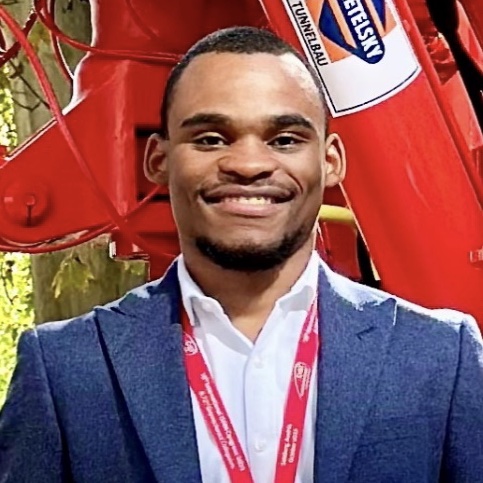
I pursued Mining Engineering at the University of Zimbabwe, graduating in 2018 with a first-class degree. I had the honour of receiving the award for the Best graduating student from Zimplats.
Mining and Geotechnical engineering are my areas of expertise, both stemming from a strong interest in Geotechnics. Driven by this passion, I pursued studies in Engineering geology to broaden my skill set in rock and soil mechanics and evaluating geotechnical risks. My overarching goal is to actively contribute to reducing avoidable loss of life in the mining sector due to ground stability-related issues.
Receiving the scholarship was pivotal in directing my career toward geotechnical engineering. This granted me the opportunity to work on diverse project experiences, focusing on assessing and mitigating ground-related risks. Exposure to British and Eurocode standards broadened my understanding of global geohazard management practices. Moreover, attending the 2023 International Society of Rock Mechanics and Rock Engineering Congress, allowed me to establish connections with professionals globally. Presenting my research from the University of Leeds to renowned engineers further enriched these connections, thanks to the scholarships. These experiences, skills, and networks are integral in achieving my ultimate goal of enhancing mine safety in Zimbabwe, particularly in preventing tragedies caused by uncontrolled ground collapses.
I provide mentorship to two third-year Mining engineering students at the University of Zimbabwe (UZ). Additionally, I collaborate with UZ alumni to facilitate a connection between mining engineering university students and the professional industry.
I’m an avid Formula 1 enthusiast and enjoy hiking, having ventured on numerous memorable treks. I also listen to podcasts for both information and entertainment. I volunteer with World Vision to contribute to various impactful initiatives.
My advice to potential Beit Scholars; skills are more than equations: sure formulas matter, but so do communication, teamwork, networking and other soft skills, develop those too.
Heartfelt thank you to Beit Trust for being a vital part of my professional growth and future endeavours.
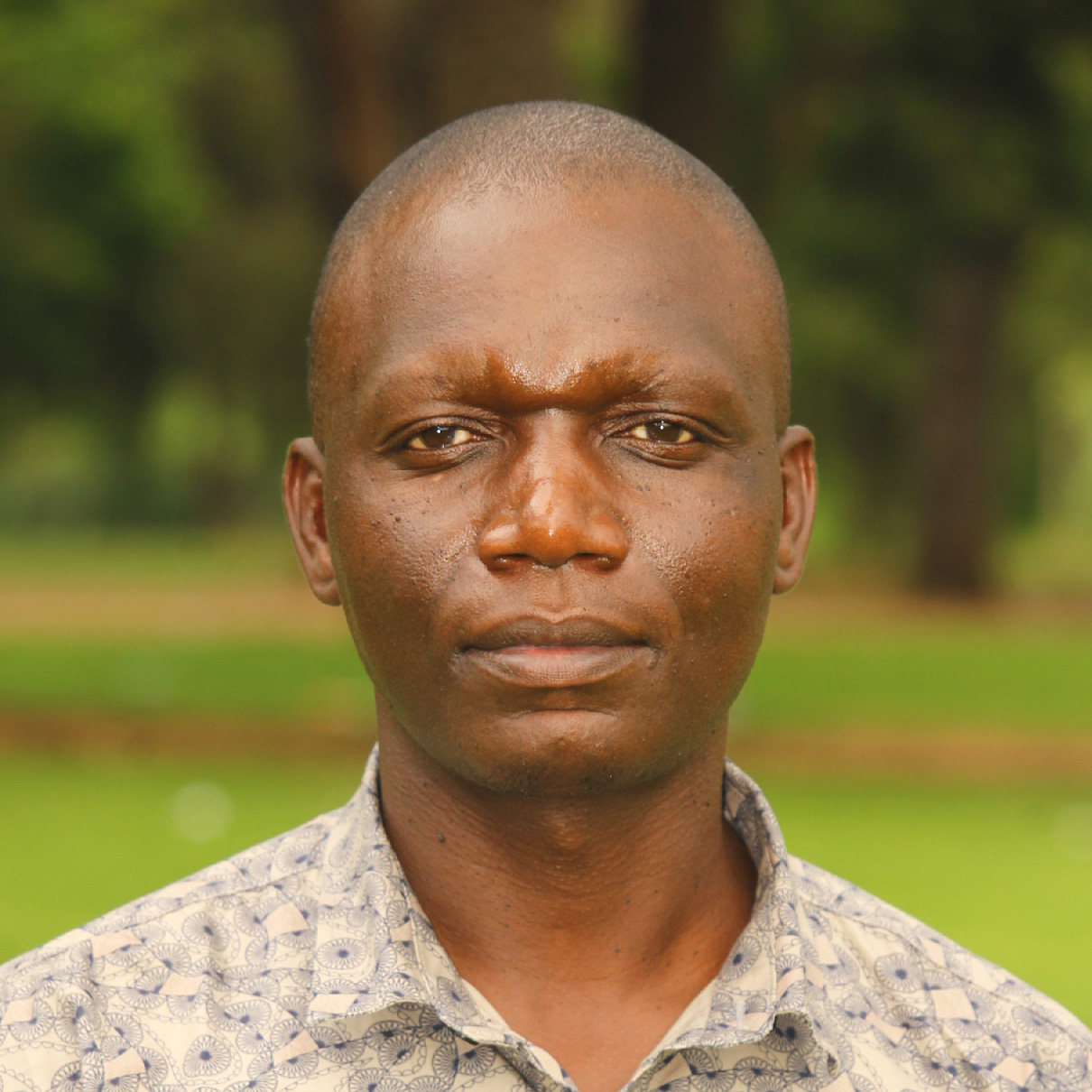
My undergraduate is a BSc (Hon) in Forest Resources and Wildlife Management from the National University of Science and Technology (Zimbabwe).
I am a wildlife ecologist committed to making a positive contribution to environmental conservation through a combination of research and strategic planning. I have more than 10 years of experience in the conservation field, both in the academia and environmental industry. I work at the human-wildlife interface, and I am a strong advocate for the coexistence and sustainable utilization of natural resources for the benefit of the custodians of those resources.
My area of expertise is wildlife ecology and conservation. I chose the postgraduate course because it had all the ingredients to take me to another level. The course offered a balanced combination of theory and practical approach to conservation issues.
The Beit Trust Scholarship award allowed me to study the subject that was at the centre of my heart. I have always wanted to contribute positively to conservation, especially in Africa. This equipped me with skills that have propelled me to the next career level. I have lectured at Bindura University of Science Education and the Zimbabwe College of Forestry; I am currently coordinating local and international researchers at Shangani Holistic, a Ranch owned by Oppenheimer Generations in Zimbabwe. The MSc at Leeds University also gave me a firm foundation to undertake a PhD in Nature Conservation.
I am pleased to have contributed to the development of Zimbabwe by raising the next generation of scientists through teaching and mentoring. My research work has also contributed positively to the science landscape in Africa.
I am interested in bird watching and being a member of Birdlife Zimbabwe. I like to do nature walks everywhere I go. I am a Christian and participate in religious activities such as Conferences, church gatherings and meetings.
My advice is to pursue your passion no matter the obstacles. Africa needs solutions, which lie in those who upgrade their skills and knowledge.
I completed my undergraduate degree at the National University of Science and Technology (Zimbabwe, Bulawayo) in 2009. I graduated with a distinction in BEng (Hons) Electronic Engineering and was awarded best graduating student in Faculty. I then pursued my studies in Leeds where again I was awarded a distinction. I am currently registered with the University of Pretoria pursuing my PhD. My research focus is on flexible, wearable sensor design using additive manufacturing to improve infant and maternal health. The aim is to provide point-of-care health solutions which address the needs of low-resource settings whilst meeting the ASSURED (affordability, sensitivity, specificity, user-friendliness, rapid and reliable performance, equipment-free operation, and deliverability to those in need) criteria according to the World Health Organisation.
My academic area of expertise is in Embedded Electronic Systems. I chose this field of study intending to contribute to the medical sector by providing affordable electronic medical solutions to low-resource settings. Often these areas are strained in resources and as a result, health complications arise due to late detection and diagnosis of diseases.
The Beit Scholarship enabled me to complete my Master’s degree at a reputable institution. I returned to my home country and became a full-time lecturer. This enabled me to assist other students in attaining their dreams. Without Beit I would not be pursuing my PhD degree today.
On my return to Zimbabwe I got exposure to the healthcare systems in the hospitals through a program under the Royal Academy of Engineers which broadened my perception of the gaps that exist in the medical field in Zimbabwe. This then assisted in shaping my research focus, which seeks to minimize maternal mortality in Sub-Saharan Africa through the use of early detection point-of-care systems.
In my spare time I enjoy gardening, hikes and outdoor activities. Together with my husband, I have an organisation as well which aims at educating people in healthy living and training people in villages with basic business skills. Finally, I also work with a lot of children’s programs at church and have served as an Assistant Director.
My advice to future Beit Scholars is to work hard for indeed the sky is the limit. However, always remember true success is not defined by one attaining great achievements alone but is defined when one’s success can influence those around them to reach their own success, even if it means it’s greater than yours. The reward is far much greater.
I am forever grateful to Beit for the doors it opened up it me.
In 2010, I successfully completed my Bachelor of Science (BSc) in Agricultural Sciences, with a specialization in Agricultural Economics, from the University of Zambia, graduating with Merit.
My area of academic expertise is Agricultural Economics. I chose this field during my undergraduate studies to gain a deeper understanding of agricultural production, markets, and the policies that influence food, agriculture, and the environment. I’m passionate about the critical role agriculture plays in global food security, economic development, and sustainability.
For my postgraduate course, I opted for Strategic Management because I firmly believe that effective strategic planning is fundamental to an organization’s success. Strategic Management involves making informed decisions, optimizing resource allocation, and setting a clear direction for the future. Pursuing this course allowed me to better comprehend how organizations adapt to evolving business landscapes. Furthermore, it complements my expertise in Agricultural Economics by providing insights into how strategic decisions impact the agricultural and agribusiness sector. This, in turn, enabled me to contribute more effectively to the Ministry of Agriculture by identifying strategies and management practices that facilitate the implementation of innovative initiatives.
The Beit Scholarship has played a pivotal role in equipping me with knowledge and skills that will benefit me throughout my life. More importantly, it has provided me with the opportunity to make meaningful contributions to improving livelihoods, particularly in underserved communities. After graduating in 2015, I served in the Ministry of Agriculture before joining the private sector as Head of Operations, where I successfully oversaw business portfolio growth. In 2021, I joined the Education Development Centre, a global nonprofit organization that focuses on improving education, promoting health, and expanding economic opportunities. In my role as a Monitoring and Evaluation Officer on the USAID Let’s Read Project, I am dedicated to enhancing reading outcomes for early-grade learners from pre-primary through grade 3. This project aims to improve the fidelity of the Zambian Primary Literacy Programme and supports the education system at all levels with a comprehensive, whole-school, whole-system approach.
I have given back to the communities I worked in by coordinating agribusiness programs, budgets, and logistics for on-time and on-target project implementation under the MoA/PLARD agribusiness component and helped small scale farmers increase income and food security through knowledge building, value addition of farm produce, creating market linkages and increasing access to finance. Currently, I work to improve reading outcomes for approximately 1.4 million children in pre-primary (kindergarten) through Grade 3 in Zambian schools through the provision of literacy teaching and learning materials, building of capacity for teachers and administrators in literacy instruction and supervision as well as tracking learner performance for improved outcomes.
Presently I enjoy traveling, cooking, and watching sports. In my free time, I also enjoy mentoring young individuals to develop innovations that solve community challenges.
When the opportunity comes, diligently pursue your goals and while you are at it or when you are done, extend a helping hand to others whenever possible.
I studied for my BA in Philosophy and Psychology from 1999-2003. I served at the University Council as a student representative and a director of women’s affairs. I am a Psychologist and studied at Bangor University for my MSc in Foundations of Clinical Psychology.
The Beit Scholarship opened a lot of doors for me as they funded both my Masters and my PhD studies. I also sat on the board selecting Malawian scholars for a few years. I am an established counsellor and provide psychosocial support to diverse groups of people including staff working in the United Nations and International NGO’s. I am also a student Counsellor at Liverpool School of Tropical Medicine.
I am still a Lecturer in Psychology at University of Malawi, I do volunteer work providing mental health support and serve on the national research board. I enjoy working in mental health.
I like hiking in Zomba mountain and spending time with my son.
My advice to others is to stay focused on their goals.
My undergraduate was a BSc Honours Degree in Rural and Urban Planning, University of Zimbabwe.
I am a Poverty Specialist who strongly believes in the possibility of ending poverty. I have 10+ years of experience in poverty conceptualisation, poverty analysis, poverty measurement, poverty eradication and the training of community development professionals, duties that I have undertaken and still perform with the sole aim of accelerating poverty eradication.
I am incredibly grateful for the opportunity provided by the Beit Scholarship, as it allowed me to gain admission into the highly regarded Institute of Development Studies at the University of Sussex. My experience there was absolutely priceless, as it tremendously enhanced my knowledge and expertise on matters related to poverty.
I have provided valuable assistance to various development agencies in Zimbabwe and Brunei, designing and implementing poverty eradication programmes. Also, I have authored scholarly articles that greatly contributed to advancing the knowledge and understanding of poverty.
In my spare time I enjoy watching documentaries about poverty and quality of life issues, blogging and practising Taekwondo.
My advice to all is to believe in yourself, for you know yourself better than anyone else!
My undergraduate degree was BSc (Hons)UZ, MBChB (Hons)UZ.
Haematology (blood medicine) is my area of interest and expertise. I realized the critical shortage of specialists that manage blood cancers and other blood diseases (anaemias, bleeding problems and clotting diseases) in Zimbabwe. I decided to take Haematology as a specialty to fill that gap.
The Beit Scholarship ensured that I got trained at one of the best and we’ll resourced universities in Africa – Wits. The training and exposure I got at Wits ensured that I came back adequately equipped to practice Haematology at specialist level. I’m involved in university teaching, research and service provision in Zimbabwe.
I have given back through teaching, research, and service delivery (pathology and clinical Haematology) in both public and private practice.
In my spare time I advocate for blood donation (blood saves life, please be a regular blood donor 🙏🏽). I love watching soccer, I am an Arsenal supporter.
My advice to scholars is to identify a gap in your field of interest & aim to fill it.
I read for a Bachelor’s degree of Social Work with Development Studies at the University of Zambia and graduated with a merit. My area of academic expertise is Research, Monitoring and Evaluation. Upon completion, I was so privileged to be a member of the Zambia Association for Research and Development where I was able to design and conduct studies aimed at preventing HIV, Child Marriages and Gender Based Violence (GBV). I further worked on a STOP GBV project as a Regional Monitoring and Evaluation Officer where I was able influence the policy formulation process through the use of real time data as collected on the STOP GBV project.
I am very keen to use real time data to influence policy formulation processes. The use of real time data is key in the design, implementation, monitoring and evaluation of policies which is key in improving the wellbeing of many Zambians. It is from this background that I chose to read MSc Social Research (Quantitative Methods) to enable me to fit quantitative models that can explain the existence of social phenomenon affecting the wellbeing of people and also fits well into my long-term career goals to specialise in quantitative methods.
The Beit Scholarship availed an opportunity for me to study at a world class University with an international outlook and exceptional quality of teaching which has enabled me to acquire the necessary knowledge and skills that will empower me to take a proactive role in problem solving and arriving at informed decisions, design effective research strategies thereby helping policy and programme implementers to design and implement appropriate interventions for the wellbeing of mankind.
In my current position, I work to maintain the data management system of a project whose aim is to improve resilience and health outcomes among vulnerable children and adolescents (VCA) via a sustained locally-led response to comprehensive VCA service delivery at household, community and facility level. The data collected plays a key role in improving the livelihood of VCAs and their caregivers.
My interest is in sports particularly football. I watch a lot of football games and while in Scotland, I enjoyed watching the Hearts of MidLothian, a football club in Edinburgh. I play football whenever I get the chance to do so with my friends so as to keep ourselves healthy.
My advice to future Beit Scholars is that we all have a role to play in improving the wellbeing of mankind. The skills we acquire through this scholarship should be utilised to make a difference in many people’s lives through service provision of our various professions.
As scholars, we should be very eager to return to our homeland and contribute to the development of our respective countries.
I did my Civil Engineering undergraduate degree at Guangxi University in China under the Zambia/China joint scholarship where I graduated as best graduating foreign student. My final graduation project was also awarded as the best for all civil engineering students in 2008.
My initial area of expertise was civil engineering, however when I started working, I quickly moved into international project management. This is what prompted me to choose management studies for my postgraduate degree.
The scholarship helped me to achieve my goal of becoming a full-fledged business manager through the scholarship to study for a management postgraduate degree. I am now able to manage any international projects and businesses because of the skills I acquired. This has also come in very handy now that I have moved into entrepreneurship where I am running my own businesses and companies.
I have given back to my country through the creation of over 200 employment opportunities through the companies I run. Our products are also helping in the retention of forex since we manufacture all of them locally.
I enjoy jogging and taking walks to keep fit. I normally offer talks to students to encourage them to work hard, so that one day they can also contribute positively to our communities like I am doing.
My advice to potential Beit Scholars is that when the chance is given to you, please utilize it positively.
I am very thankful to Beit Trust for the support I received through the scholarship to attain my dream of becoming a professional international manager.
After graduating with my LLB from Trinity, I returned to Zimbabwe and, while working at a Harare legal practice, wrote my Zimbabwe law conversion exams. Soon after completing these, I moved in-house to Rift Valley, the head office company for agro-industrial affiliates, where I have been ever since.
My expertise is Law and I chose my course to further my legal training.
The Beit Scholarship helped open up job opportunities as a European degree stood out among other candidates. I have entered and stayed in the corporate law field since graduating. I have done over 11 years service in corporate law in Zimbabwe, assisting influential companies.
Outside of work I am kept busy and enjoy motherhood, running, reading, bird watching.
My advice to prospective Beit Scholar is to specialise!
Thank you to the Beit Trust.

I have a Bachelor of Arts Degree, major Economics and minor Demography with Merit from the University of Zambia.
My expertise lies in Economics, Econometrics and Microeconomics. My research interests are inclusive of finance, monetary policy, econometrics, and social sectors.
I chose the postgraduate course to improve my skills in research and overall understanding of financial systems.
Coming from a humble background, I could not have managed to pay for my education in the UK. The Beit took care of all the expenses during my stay in the UK. They made my stay very comfortable. With this, I had no other choice but to pass, and to pass with flying colours (Distinction). I am forever grateful to the Beit Secretariat for such a life changing opportunity that was rendered me.
After coming back from my studies, I joined the University of Zambia as a Lecturer in the Department of Economics. This opportunity has helped me in skills and experience transfer to my students at both undergraduate and masters level. Further, with my gained skills in research and M&E, I contribute towards generation of information in both the private and public sectors through involvement in research projects.
I am a huge football fan. I support the real Manchester team, UNITED. In my spare time, if not watching football, I like reading and writing books. Writing is a passion I picked up during the COVID-19 period. During lockdown, I spend a lot of time reflecting and writing my own perspectives about life through the lens of my experiences.
Being a scholar is such an exciting experience. On of the best experiences of my life by far. The adrenaline that comes with not knowing where you going, the full culture of the place, the thought of starting to meet and make new friends is simply magical and makes everyday special from the previous one. Three things for the new scholars; be open minded, never neglect your academics, and participate in as many activities as possible. Visit as many places in the UK and Europe as you can.
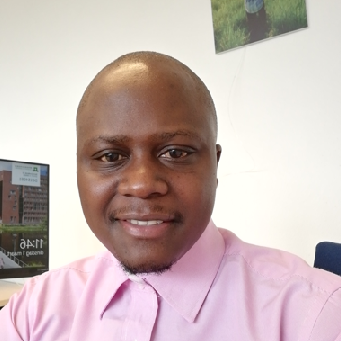
I first obtained a BSc in Agricultural Economics (with Distinction).
My area of expertise Agricultural Economics and I did my postgraduate studies to enhance my knowledge and research skills.
The Beit Scholarship provided financial support to complete my postgraduate studies.
I am passionate about helping small scale women agripreneurs.
My advice is for all to keep working hard and together we will contribute to making our societies better.
I am grateful to Beit Trust for their generous support.
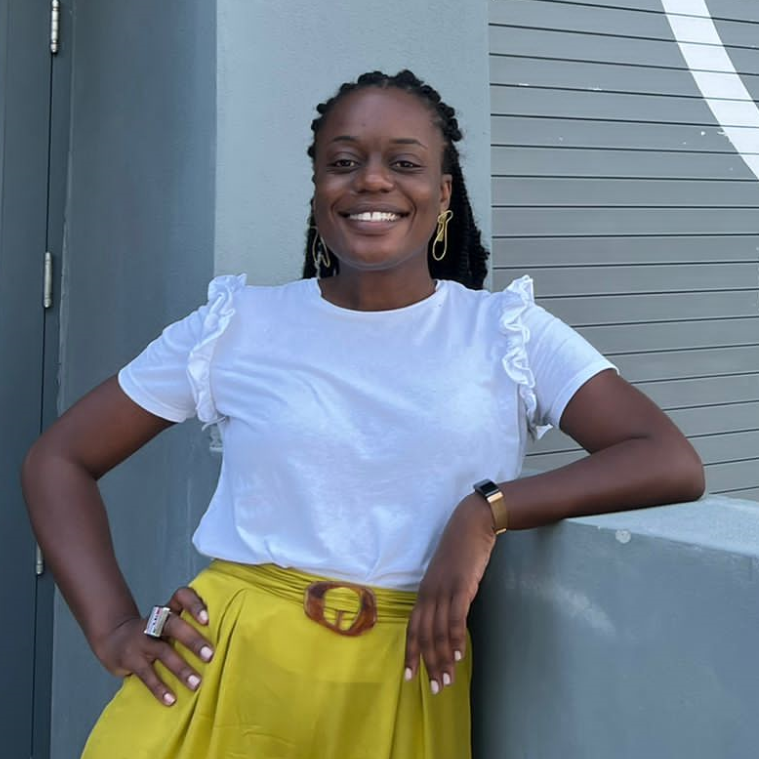
After completing a bachelor’s degree in fine art & Politics, I started working at the National Gallery of Zimbabwe, where I coordinated a major global conference. I took a break to get my MA in Art Galley & Museum Studies at Leeds University through a Beit Scholarship. I returned to work in Zimbabwe, then eventually moved to South Africa where I have been working at the largest museum, Zeitz MOCAA, dedicated to promoting art and culture from Zimbabwe and beyond.
I have been working with contemporary art from Africa. My postgraduate degree in Art Gallery & Museum studies has enriched my knowledge. I was exposed to international museum standards and critical theory needed to thrive in my industry.
My interests are in art & cultural, curating, training, heritage industry.
My advice to others is to be intentional about making & keeping industry networks.
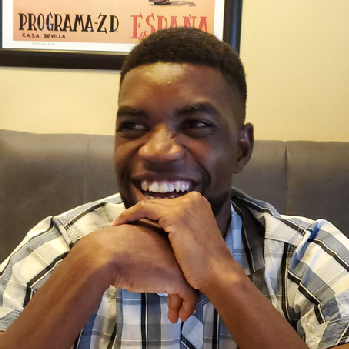
I obtained my medical degree from the University of Malawi, College of Medicine (now called Kamuzu University of Health Sciences) in 2017.
My area of academic expertise is in medicine and clinical research, with a little bias towards immunology of infectious diseases. I am interested in clinical immunology because it provides a unique platform to utilise bio-medical sciences in informing clinical practice.
The Beit award served as a stepping-stone towards me achieving my long-term dream of becoming a research leader in medical research. Following my graduation from the University of Glasgow, I joined a research group at the Malawi Liverpool Wellcome Programme as a Clinical Trial Coordinator where among others I oversee a clinical trial that is studying high flow versus standard flow oxygen therapy in hypoxic patients, as well as part of the team that is conducting controlled human challenge research.
Since my award, I have been offering support to applicants for this prestigious scholarship who have themselves proceeded to joining this family of the elites. This has been a joy as it represents fulfilled dreams.
Outside of the professional world, I enjoy watching Formula 1 so if you are a fan, hit me up on twitter. Other than Formula 1, I play video games and go for random walks.
For future scholars, being awarded a Beit is a badge of honour so represent well wherever you go.
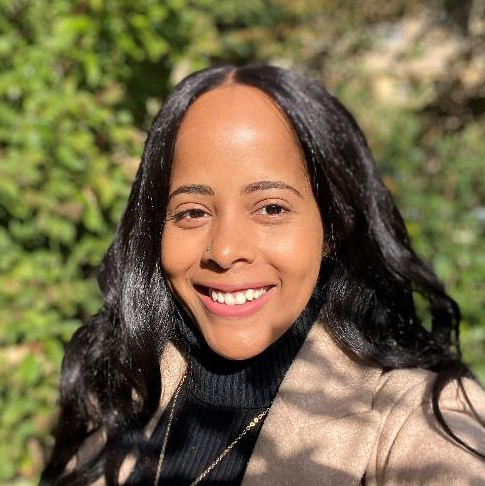
I completed my BAs in History and African Studies at Yale University in May 2021. At Yale I was awarded The Stacey Sanders Fellowship award for International Public Service, The Janifer Lynn Lighten Leadership Award and The Charles Garside Jr Award for Timothy Dwight seniors who distinguish themselves in the field of History. My dissertations were respectively titled – “ African Women Strike Back: A Case Study of Female-led Protests in Kenya, Liberia and South Africa from 1980-2020” and “ Deconstructing Liberation War Struggle Rhetoric and its Weaponization in Zimbabwe.”
My 2019 summer internship with Bridge International Academies Liberia and 2018 Yale Young African Scholars fellowship in Ghana and Rwanda spurred my passion for post-conflict reform policies in governance and education which inspired me to pursue an MSc in African Studies and a Masters in Public Policy (MPP). My area of expertise is in educational policy reform in Sub-Saharan Africa.
I am currently reading the MPP to equip myself with valuable skills to address African policy challenges.
I enjoy mentoring fellow African students through university applications. Outside of academics, I also enjoy hosting dinner parties, writing flash fiction, fundraising for educational initiatives such as the USAP community school in Zimbabwe and Kite Oxford Nairobi.
My advice is that life’s biggest lessons are not found in text books. Always be willing to try new things, take risks and learn in new ways.

I have a Bachelor of Medicine, Bachelor of Surgery (MBBS) degree and a Master of Medicine in Internal Medicine (MMed) from University of Malawi.
Nephrology is my area of expertise and I chose this speciality as there is only one nephrologist in Malawi at present (2023) with a huge unmet need.
I wouldn’t have afforded the MPhil program without the Best Trust Scholarship.
I’ve given back to through research and teaching.
Outside of studies and work, I enjoy reading non-academic material, watching soccer and playing indoor soccer as well as board games.
My advice to others is to be patient with yourself but keep your eyes on the prize.
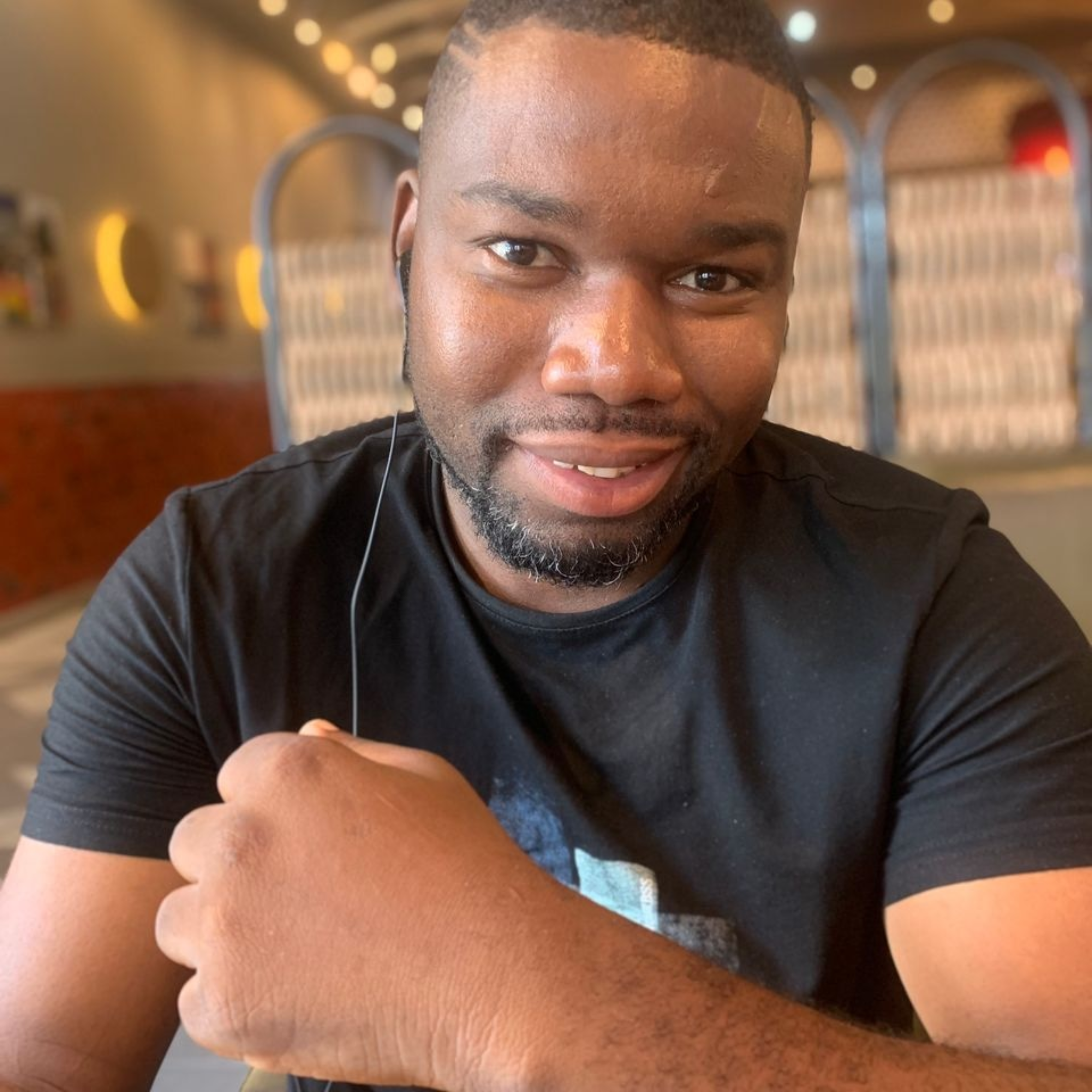
I am a graduate from the Universities of Zambia and Stellenbosch. A pioneer for climate change adaptation in Zambia’s Luapula province where I am the project engineer taking lead under several World Bank funded infrastructure development projects. I am also a lecturer at the University of Zambia under the School of Engineering. To top it all I am an advocate for STEM education in Zambia through collaboration with Universities, Schools, NGOs and the private sector, promoting drone technology innovation.
Civil Engineering and Construction Management. I chose this course to strengthen my professional career as I revolve around construction and infrastructure development projects.
I have been a pioneer and advocate in pushing the limits in infrastructure development projects in remote areas.
Giving back to Zambia, I’ve taken lead in several community development projects while also adding capacity to the University of Zambia.
I enjoy long drives, music, movies, watching soccer, and going places.
My advice to potential Beit Scholars is their personal development should not end at career development but they must take advantage of all the networks they can build through the Beit scholarship opportunity and university they find themselves.
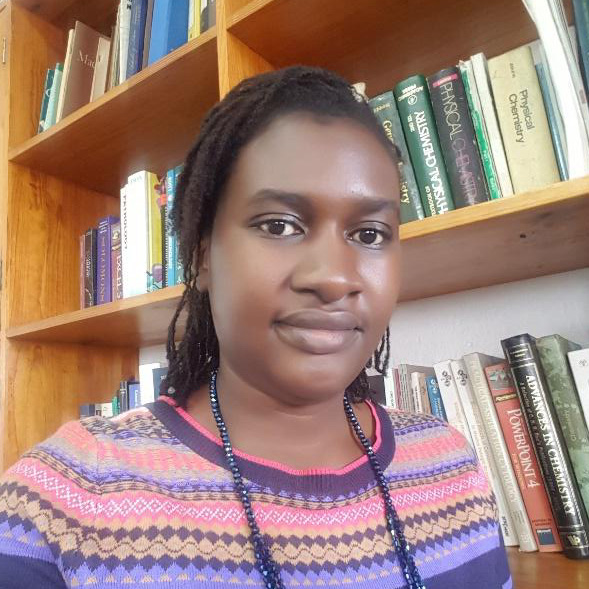
I obtained a Bachelor of Science in Molecular Biology and Genetics from the University of Zambia in 2009. The main courses taken were molecular biology and biochemistry and from these studies I developed my interest in biochemistry. Upon completion of my studies, I joined the University of Zambia as a staff development fellow and later on as a lecturer upon completion of my postgraduate studies.
My area of academic expertise is Biochemistry. I chose this area as I developed interest in metabolic pathways and in understudying how factors such as nutrition or exposure to environmental pollutants affect these pathways.
The Beit Scholarship Award enabled me to pursue my studies at the University of Leeds. During my time there I got to develop communication and laboratory skills as well that helped me become a more confident researcher. I enjoyed interacting with my peers from different countries and learning from them. The skills and networks have helped me as I continue to build my career as an academic.
Since completion of my studies, I came back to my home country to work as a lecturer at The University of Zambia. I pass on the skills that I acquired to my students as they pursue their studies.
My research interest is on how changing diet and environmental pollutants alter immune responses and how these affect people living in communities with poor hygiene and sanitation facilities which increases their exposure to different pathogens. I am also very passionate about encouraging the use of clean fuels as a way of reducing exposure to toxic carcinogens found in smoke emissions. Some of my current work involves optimizing biogas production using locally available and low-cost materials in order to promote the use of biogas as a green alternative fuel to charcoal. I am one of the organizers of the Young Wash Voice Campaign which aims to enhance school-going children’s knowledge and problem-solving skills in climate resilient water, sanitation and hygiene (WASH). I am also volunteering at Human Rights & Science (HR&S) which is a social enterprise that supports scientific research as well as social enterprising and sustainable development in Sub-Sahara Africa.
My advice to future scholars is that you should be self-driven as this will help you be more perseverant and you will be able to achieve your goals.
The Beit Scholarship award provides a great opportunity to study at well-established Universities and get exposure that will help you in your career.
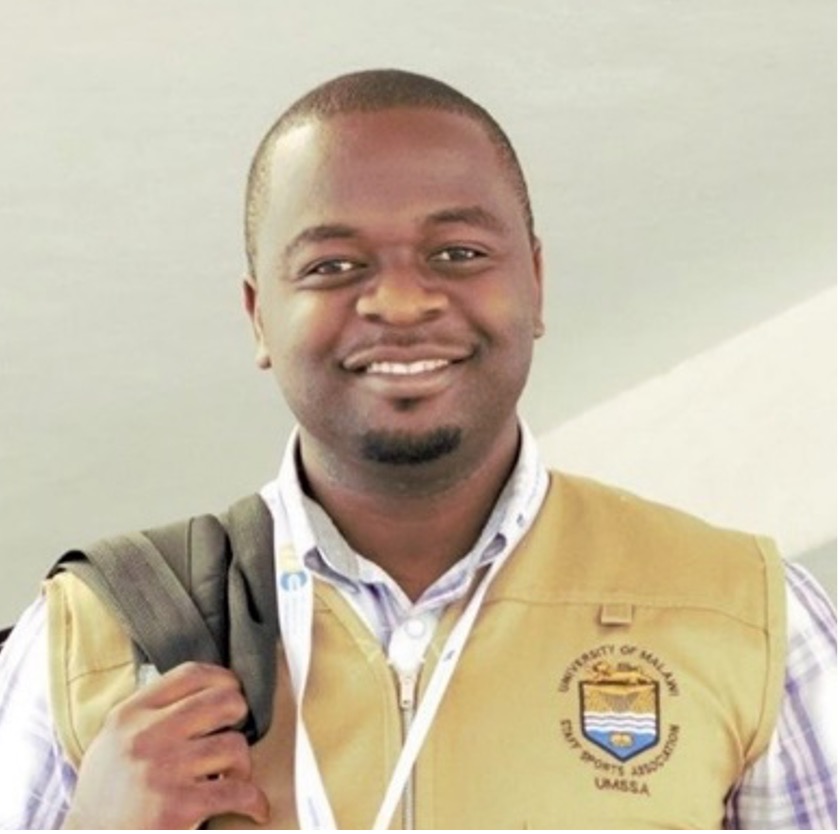
I achieved a First-class award Bachelor’s degree (BSc) in Biomedical Sciences.
I did my MSc studies in Infection Biology at the University of Glasgow. This was an ideal choice, as it matched my career ambition of becoming a competitive biomedical researcher within Malawi. I am excited that I have taken different key responsibilities at various academic and research institutions in Malawi, both as a trainer (lecturer and mentor) and as a researcher. Malawi like many other sub-Saharan countries has a critical shortage of health workers and well-trained scientists to contribute to national development goals. Thus, the Beit-Glasgow biomedical scholarship was an ice breaker to realising my potential and influence to inspire change within my society.
I am currently enrolled for a Ph.D. at Ghent University on a project to define Oesophageal exposome in sub-Saharan Africa. Between Glasgow and Ghent, I have been working with the University of Malawi, College of Medicine as a research coordinator for Helse Nord Tuberculosis Initiate, again, Mzuzu University as an adjunct lecturer in the Department of Biomedical Sciences, and as a graduate research assistant at Malawi-Liverpool-Wellcome Trust clinical research programme under the MALGAM project. (Please also refer to my biography).
During my free time I love traveling and meeting new people both for pleasure and also to learn different cultures.
Success is never easy, but at least we know of a simple formula: have a purpose, be passionate, persevere, and stay positive.
The world awaits our contribution; so let’s go a shine.
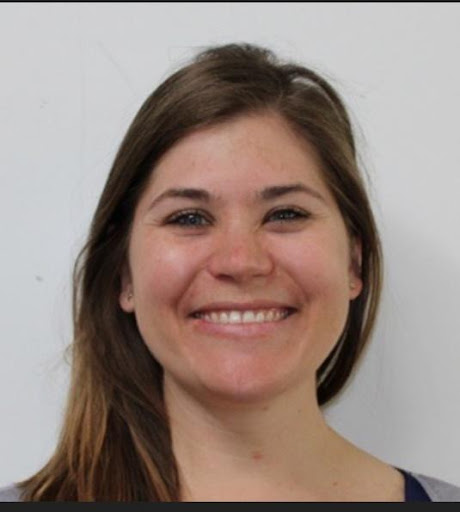
I completed a Bachelor of Education (Intermediate Phase) at the University of Pretoria, graduating with Distinction.
My area of expertise is in Special Educational Needs. I chose this because I am interested in how people learn and passionate about discovering ways to support people who learn differently.
My scholarship helped me develop my knowledge of Special Educational Needs. With a higher level of knowledge I was able to find work as a Special Educational Needs Coordinator. This role enables me to support students who learn differently and work with their teachers, too. The role is about raising awareness, helping students advocate for themselves and developing all educators to view their practice in an inclusive light.
Since sharing my research findings on Special Educational Needs with the Heads of Zimbabwean schools, my ambition is to contribute to teacher training.
I enjoy being outdoors, running, reading and cooking for others. I am currently working with a group of students to gain their Bronze Level Duke of Edinburgh Award.
My advice to future Beit Scholars is to use your passion to fuel your dreams. In the day-to-day it’s easy to get bogged down by the finer details and forget the big picture which brought you to your current moment.
The Beit Trust and University of Leeds gave me an opportunity I will forever be grateful for.

I graduated from University of Malawi, Chancellor College, majoring in Computer Science and applied statistics.
I specialize in cyber security and applications of machine learning in solving problems to deal with network analysis, malware analysis, data analytics and threat intelligence.
The Beit Scholarship Award offered me a platform to network with researchers from all walks of life and my PhD funding was a direct benefit of the opportunity Beit Trust offered me. The network that I built during my Masters degree carried me through to PhD and my current work. I will forever be grateful for the funding I got.
To give back I have mentored others on how to apply for the scholarship, helped students with their research, mentored students and offered guidance. I am currently in contact with one of the universities in Malawi where I mentor students in cyber security and push them to participate in international cyber security competitions.
In my spare time I enjoy hiking, playing soccer, mentoring, reading, solving puzzles, gym, helping high school kids learn about technology and help students prepare for exams.
My advice to prospective scholars is that when you have been given the opportunity, give it your best and believe in your abilities.
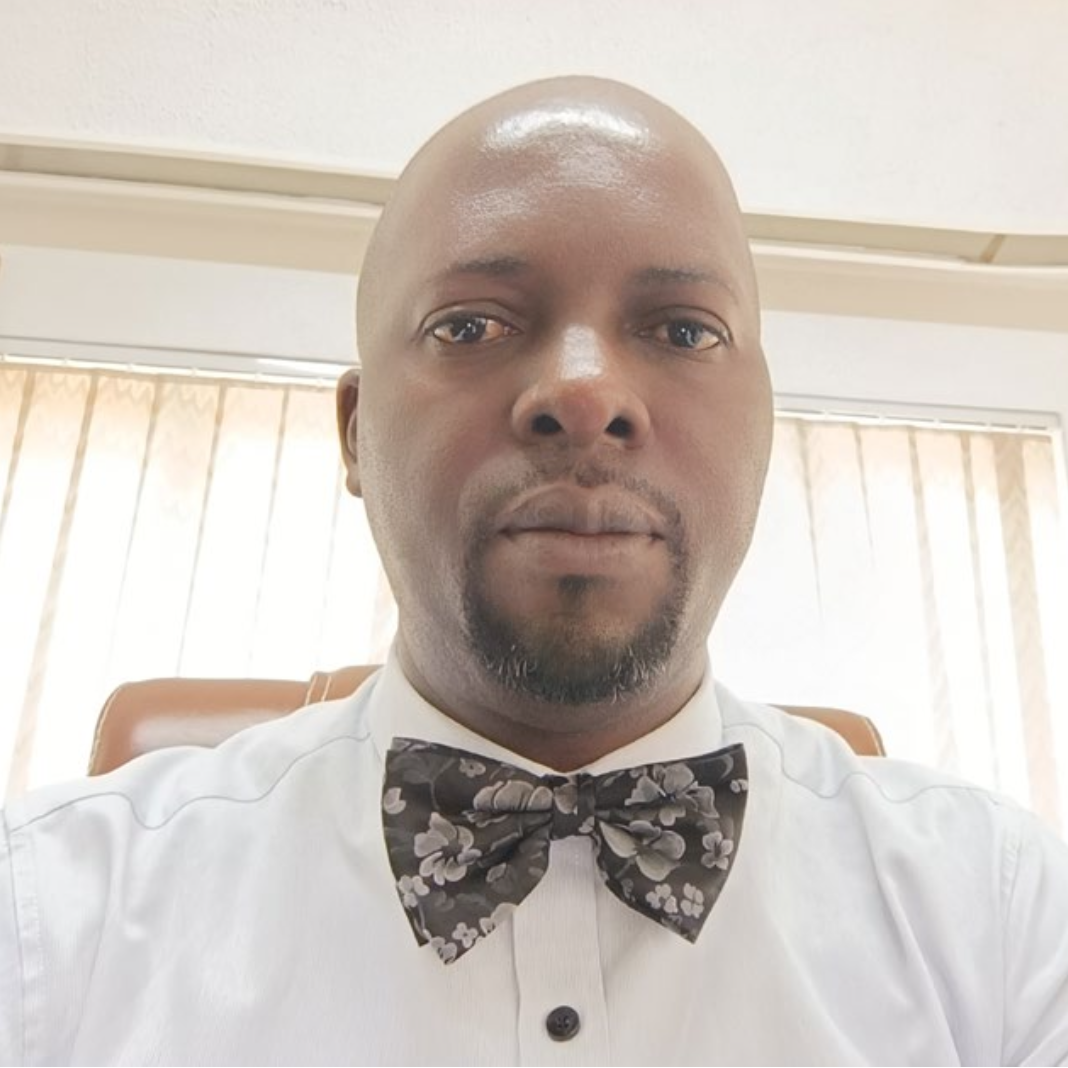
My undergraduate degree was a BSc Agricultural Economics at the University of Malawi.
My area of academic expertise is Economics because it’s my passion.
The Beit Scholarship Award helped me scale up to national, regional, and continental leadership heights.
I’ve been able to give back by heading up powerful development planning institutions.
It is important to me to make professional links.
My advice to prospective Beit Scholars is to always remain focused.
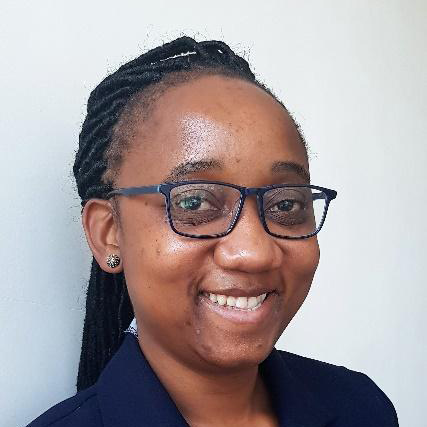
I hold a Bachelor of Science Degree in Agriculture Sciences from the University of Zambia. I have work experience working in government and non-government institutions on topics of sustainability, climate change adaptation and mitigation, sustainable agriculture development, agriculture finance, value chain development, policy review and analysis, public relations, and diplomatic practice.
My area of expertise is Agriculture, Environment, Climate Change adaptation and mitigation and Sustainable Development. I chose my Masters course because we need to transition to a climate resilient and just economy which improves the smallholder livelihoods in Zambia.
The Beit Trust supported my Masters training, hence allowing me to gain the relevant skills needed to provide technical and strategic support on agriculture development, policy issues, and climate change to the government, and non-government institutions.
In terms of giving back, I have supported the Zambian government in the development of the agriculture sector to enhance agriculture production and productivity, value chain development, access to agriculture finance, climate change and gender mainstreaming, strategic policy advice and reviews of relevant policies. In addition, I provide support to students who are applying for the Beit Trust Scholarship when need arises.
I like reading and traveling. There is always something new to learn in a new environment. Also, I am a member of the Rotary club.
My advice is that once an opportunity arises which benefits your career or personal progression, ensure to do your best at all times. The Beit Trust offers you a network of people that are available to support you throughout your journey with the goal of ensuring you succeed.
Currently pursuing a PhD Candidate at University of Galway, Ireland.

An Industrial and Manufacturing Engineer who attained his BEng from NUST (Byo). Recently completed studying towards an MSc in Electronic & Electrical engineering with the University of Leeds. Proven experience in beer manufacturing, oil refining, power generation and consultancy. Demonstrated knowledge on plant operations and how to solve manufacturing and operations-based problems using root cause methodologies providing solutions for increased performance and robustness in plant and operations. Currently reading for a PhD in Electrical and Electronic Engineering from the University of Leeds with Visible Light Communication as the main research area.
System design and optimization is my main area of expertise and I am currently applying that in the optimization of communication networks.
The Beit scholarship exposed me to a world of unimaginable opportunities. It helped me gain a wealth of information and knowledge which led me to improve myself. With these opportunities and the knowledge, I have managed to identify research gaps and areas of improvement thereby helping me on my path to contributing to academia and industry as a whole.
I still do consultations for companies in Zimbabwe and in my spare time I enjoy kayaking, reading and research, swimming and hiking.
My advice to new scholars is to always ask for assistance. The answer will always be no until you actually ask. No matter how difficult or impossible it may seem, try, ask for help.
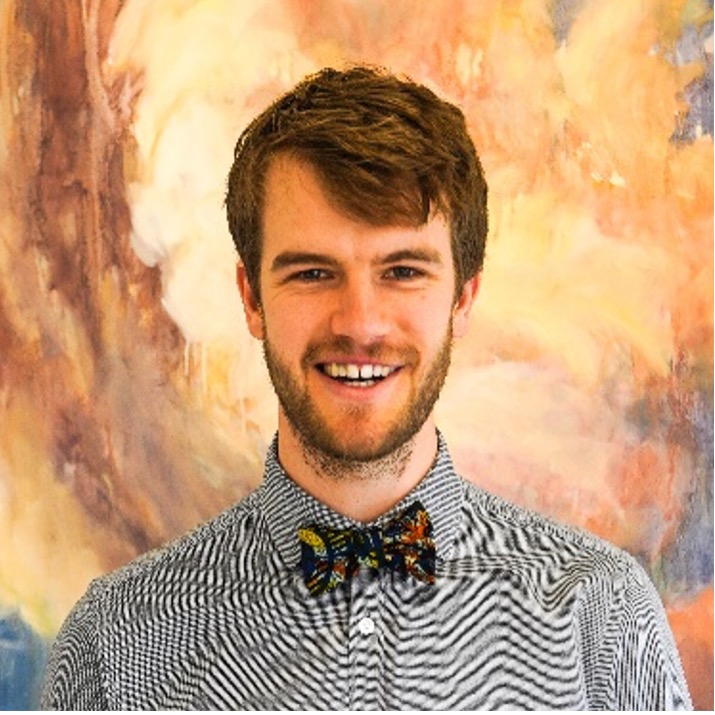
I studied a BSc in Electromechanical Engineering at the University of Cape Town which I passed First Grade with Honours. My degree and the connections I made there set me up to work with Southern Implants in Pretoria developing their manufacturing processes for their products and later designing their products too.
My area of expertise is in Product Design. Everything around you that’s made by humans started off as an idea in someone’s head as a way to solve a problem. Product Design is about getting better at figuring out what problems exist, in Zimbabwe and around the world, coming up with ideas to solve them, and turning those ideas into real products and services that can have a positive impact on people’s lives.
I got to deeply immerse myself in the world of product design, gain valuable new skills and meet some great people from around the world. Through Strathclyde Uni I also got plugged into the entrepreneurship network in Scotland which has helped me learn about everything in a business outside of design.
My start-up, Zimbowties has so far sold its sustainable fashion accessories to people in over 25 countries, is stocked in 10 stores in 4 countries worldwide, has sponsored over 30 children’s school fees and is creating work in the sustainable fashion industry in Zimbabwe.
I spend time reading, podcasting (see my experiments here https://youtu.be/Km85QFPJBms), art, Argentinian tango, coding and ultimate Frisbee.
I believe 50% of your time is about getting good grades and 50% is about getting to meet people who you will have as friends, colleagues, and business partners for life. Strive to get that balance.
Learn more about Zimbowties at zimbowties.com. See my work at kimsdesignkitchen.com.
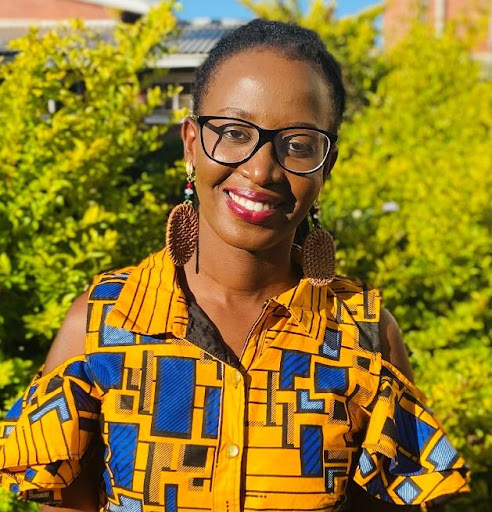
When I was studying my undergraduate degree in social work at the University of Zimbabwe, I developed an interest in working within the Deaf community. I realised that there were few social workers who could communicate in Zimbabwean Sign Language hence increasing access barriers for deaf people. I then began working with Zimbabwe Deaf Media Trust and Deaf Women Included to learn more about Deaf culture, sign language and disability rights at large.
With this background and interest in disability rights, I chose to undertake a Masters in Disability Studies with the University of Leeds. The programme not only strengthened my understanding of disability rights, theories and politics but also enabled me to network with various scholars and practitioners working within the disability community.
Post my qualification I managed to apply to be an online volunteer with the Office of the High Commissioner for Human Rights (Regional Office of Southern Africa) where I had the opportunity to gain experience and knowledge on the UN Human Rights Mechanisms and contribute my knowledge and expertise on disability rights. I was also selected as one of the 6 young experts on intersectional discrimination with the North-South Centre of the Council of Europe which provided a platform where, as young people from various movements, we could explore the applicability of the intersectional theory in the work we do. I have also continued to work with Deaf Women Included and Zimbabwe Deaf Media Trust in fighting for the recognition and promotion of disability rights in Zimbabwe. We have also continued to advocate for the protection of women and girls with disabilities from all forms of violence and continue to raise awareness on the need for accessible shelters for survivors of GBV with disabilities.
I continue to fight for the recognition of disability rights in Zimbabwe and to partner with organisations for persons with disabilities. As a Zimbabwean Sign Language interpreter I also continue to offer my services to the Deaf community.
I am interested in learning about new cultures, sign languages and travelling.
My advice to future scholars is that when you are applying for a scholarship, link what you have done in the past with what you are currently doing and what you are proposing to do. Your area of study should be linked to your future career goals and aspirations. Also ask yourself; how will I, my community and my nation benefit from my studies? Lastly, work on your application and submit. It’s always worth a try. We all went through the application process and until we had applied, we did not know we stood a chance!
The Beit scholarship has been more than just funding as it has resulted in lasting friendships, networks and a family to turn to whilst working on my career. Thank you for the support.
My expertise is in civil/structural engineering. I chose my course to broaden and deepen my knowledge in structural engineering changes. I achieved a 3.8 GPA at Stanford University, BSc Civil Engineering 2013, Dean’s Awards for academic excelllence.
With this postgrad degree, I am now a much more confident, capable and resourceful engineer who is able to tackle increasingly more challenging and sophisticated engineering problems.
Since graduating, I’ve been involved in mentoring younger engineers formally and informally.
I’m a sports fan(atic) – football, cricket, tennis, F1, basketball. Also love to create/perform A capella music. Avid reader on the internet.
I advise you to strive and back yourself to be the very best of you. Then strive to back others to be the best of themselves.
Forever grateful to the Beit team.
I hold a BSc. Honours degree in Metallurgical Engineering from the University of Zimbabwe (First class) and an MSc. degree in Material Science & Engineering from the University of Leeds (Distinction). The latter I obtained as a Beit Trust Scholar from 2017 to 2018 where I also got the award of the best graduating student in the programme at SCAPE, University of Leeds. I am a Metallurgist by training and currently doing my doctoral studies in Mineral Processing Engineering at Luleå University of Technology, Sweden.
I am a Metallurgist by qualification and training and the experience from both exposures motivated me to pursue postgraduate studies. With the current green transition which requires minerals/materials, I think the sustainable sourcing of these critical raw materials is key.
I am excited and grateful to have had this wonderful experience as a Beit Scholar. From the wonderful time in Leeds and the UK to the growth in interpersonal skills. Of course, the big highlight is the furthering of my education in obtaining the MSc. Materials Science and Engineering with a distinction. This has gone a long way in shaping my current career path in research, now doing my doctoral studies in Minerals Engineering.
Since my graduation, I have had about 1.5 years working as a Mineral Processing consultant mainly based in Southern Africa region including Zimbabwe before embarking on my doctoral studies.
My interests involve mentoring of STEM students, traveling, playing football and family activities.
My advice to other scholars is that besides of course attaining your qualification also make time to interact with the society, learn new cultures, create networks and make the most of this great opportunity.
I received my BSc (Hons) degree in Applied Physics from the National University of Science and Technology (NUST), Bulawayo, Zimbabwe, in 2015, where I was awarded the NUST Book Prize for academic excellence.
I then received the Beit-Leeds Scholarship Award in 2019, which enabled me to study for an MSc degree in Electrical Engineering and Renewable Energy Systems at the University of Leeds, Leeds, UK. I pursued this program of study due to my keen interest in addressing equity and climate change through renewable-based energy transitions.
The rewarding learning experience at a Russell Group university has enabled me to contribute to the ongoing energy transition for low-carbon economic growth. During my academic tenure at the University of Leeds, I co-authored two research papers, one of which received a high commendation in the Sustainability and Practice category at the SEEDS 2020 International Conference.
I then went on to work as the Projects Director of a green energy company in Zimbabwe that works towards mitigating climate change through holistic approaches that ensure sustainable socio-economic development.
At present, I am a member of the Global Women’s Network for the Energy Transition and youth climate action groups, the YOUNGO@UNFCCC and the UN-MGCY SDG7 Youth Constituency. I am also a mentor at Tea in 60, a community of thriving Zimbabwean women seeking to create a diverse, culture-rich STEM environment by inspiring Zimbabwean girls and women to realise the endless possibilities within STEM.
The Beit-Leeds Scholarship Award has been a great steppingstone towards achieving my career goal of becoming a sustainable energy leader that will help pioneer the future of energy systems to drive sustainable development. My advice to the new scholars is to take advantage of this great opportunity to network and collaborate for the greater good; Invest in the development of others just as the Beit Trust has invested in your own.
I have been awarded a fully funded scholarship by ScottishPower, UK, to pursue further studies for a MPhil degree in Engineering for Sustainable Development at the University of Cambridge, UK, starting in the Michaelmas Term 2022.
In 2011, I was selected to study Bachelor of Science (B.Sc.) in Medical Laboratory Sciences (Honours) at Kamuzu University of Health Sciences (KuHes) formerly known as the University of Malawi-College of Medicine (COM). In 2016, I graduated with a first class Bachelors degree in Medical Laboratory Science. Following successful completion of my B.Sc., I was awarded a competitive one-year Pre-M.Sc. internship with the Viral Immunology Group at the Malawi Liverpool Wellcome Trust (MLW). This was a huge opportunity for me to develop my research skills in Immunology.
The Pre-M.Sc. internship position with the Viral Immunology Group at MLW exposed me to immunology of infectious diseases particularly in mucosal areas. As such, my interest in understanding the immune system grew such that upon completion of the Pre-M.Sc. internship in 2018, I applied for the BEIT-TRUST scholarship to study for a Master of Science in Immunology and Inflammatory Diseases at the University of Glasgow for which I was successful. I chose the programme to enhance my understanding of the human immune system so I can discover novel ways of leveraging the immune system to enhance human resilience to infectious diseases which are highly prevalent in low and middle income countries including Malawi.
The BEIT scholarship provided me with an opportunity to study at one of the best universities in the world with renowned scientists and state of the art research laboratories. This uniquely positioned me for further opportunities such that following completion of my postgraduate studies, I was awarded a PhD studentship to study nasal Immunity against Streptococcus Pneumoniae in People Living with HIV.
Since being awarded the BEIT scholarship, I have mostly been involved in providing mentorship to upcoming scientists through a unique programme at MLW which known as Science for All. Through this Programme, Pre-B.Sc. students are encouraged to consider studying biomedical sciences programmes when they go to universities by exposing them to research through short-term placements at MLW laboratories where they learn the basics of scientific research.
Outside of work, I particularly love football and politics.
I would particularly urge young scientists to dream big. Go for that big dream and give it all you got.
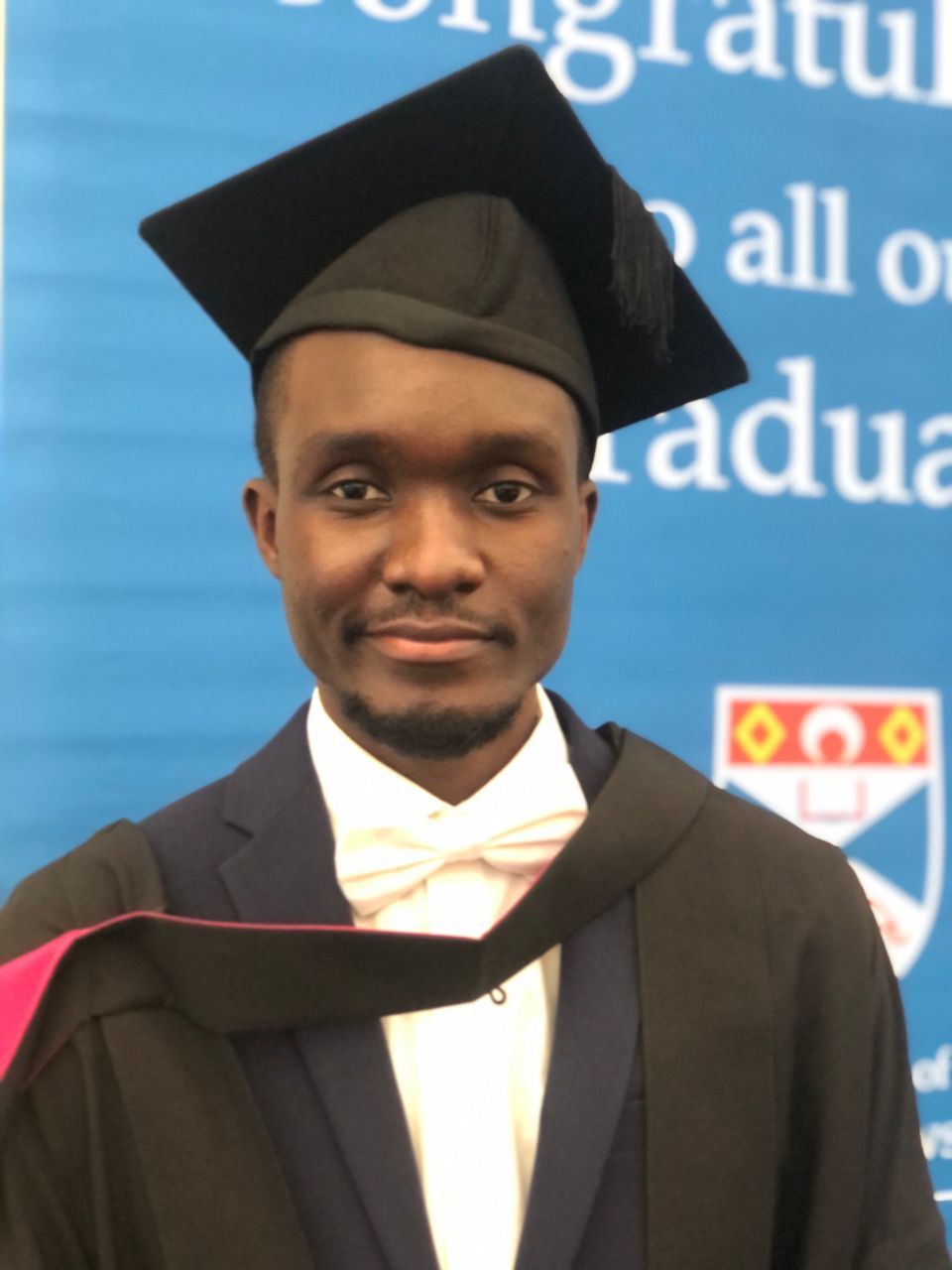
I did my undergraduate studies in Computer Science and Engineering at Tambov State Technical University and graduated in 2015.
My area of expertise is in machine learning technologies and currently working on a dissertation which involves computer vision. I choose this area of study for my postgraduate because it is an exciting field with a lot of technological advancement yet to be achieved. To be part of the people making the world a better place to live in is exciting. The present and the future all depend on AI technologies, to understand how and what makes such things work motivated me to choose this area.
The Beit Scholarship gave me a chance to work with world class Professors. The knowledge that I have gained will make me be very good at what I love doing, which is contributing towards the advancement of technology in my country Zambia.
Currently still studying, however my plan is to work with industry professionals and contribute in improving digital health sectors of my region.
My advice for future a scholar is to always believe in yourself no matter the challenges you might face along the course of your study. It’s not always easy, but as long as you believe in what you do, you will make it. Always remember that you were selected because you deserve it!
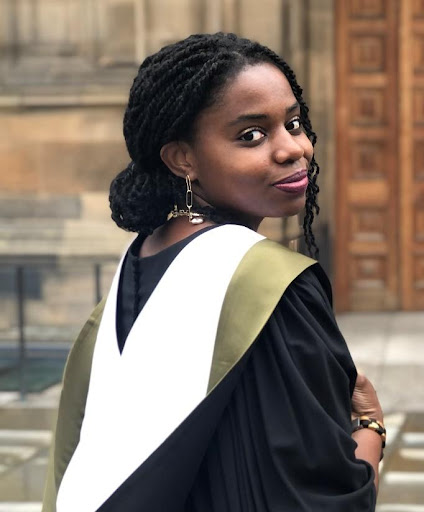
I attended the University of Cape Town in South Africa for my undergraduate studies. I graduated with a Bachelor of Arts specializing in Film and Media Production. My degree was awarded with distinction in Film and Television Studies and Studies in Film and Media Production.
During my undergraduate studies I explored the phenomena of migration, xenophobia, and social justice issues and endeavoured to contribute towards the pursuit of social justice professionally. I began working as a program assistant and information officer at the Kubatana Trust of Zimbabwe, a civil society information hub which works towards making human rights and laws accessible to citizens as well as promoting civic engagement.
Through my work in the non-profit sector, I saw how effective civil society was in the pursuit of social justice and development in Zimbabwe. I decided to further my studies so that I could increase the value of my participation in civil society and learn how to be a more effective part of a team of people working towards the betterment of citizen’s lives through the elimination of injustice and discrimination. That is why I chose to study International Development with, of course, a focus on Africa. My areas of academic expertise were in African Studies as well as Gender and Development. For my thesis, I explored the gender equality interventions of the Government of Zimbabwe and whether they are effective and sustainable.
Thanks to the Beit Scholarship Award I was able to obtain a Master’s Degree in Africa and International Development from the prestigious University of Edinburgh. This has empowered me to contribute more fully to civil society in Zimbabwe and directly work towards the country’s development whilst improving the lives of citizens. I now work as a Grants Manager at an organization that provides medical, psychological and legal services to victims of organized violence and torture in Zimbabwe.
I am helping to provide emergency services to citizens who are victims of organized violence and torture who in turn will be more equipped to seek legal redress. The hope is that people who are victims of organized violence and abuse will be fully rehabilitated and through holistic support and empowerment are able to fully participate and reintegrate into society and the life of their choosing and that as more perpetrators of human rights abuses are held accountable, the number of incidences of human rights abuses will decrease in Zimbabwe.
During my studies in Scotland one of my lecturers spoke to the class about the importance of finding a hobby to balance our studies, particularly during the thesis writing period. Thus, I was inspired to take up a new instrument and began to take music lessons in classical saxophone! Since returning home I have continued taking music lessons and have graduated two grades in music theory.
My other interests and hobbies include nature conservation and African literature.
My advice for future scholars is to work smart in your academic studies. Take the time to meet and learn from new people, particularly people from different cultures and countries and walks of life. Also take the opportunity to learn more about yourself by saying yes to new experiences, particularly if you are studying in a country that you have never been to before. Finally, interact with your lecturers and do not be afraid to ask for the help you need – they want you to do as well as you possibly can.
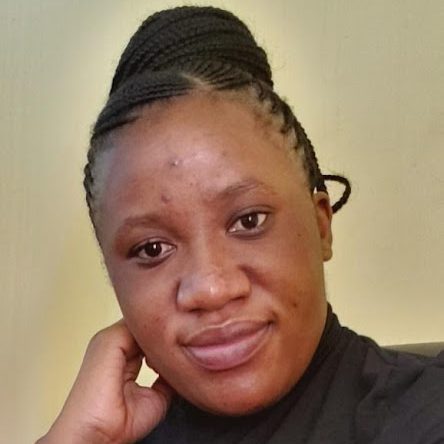
I obtained a BSc. Agroforestry from the Copperbelt University. I chose my postgraduate studies based on climate science because of the challenges that climate change is imposing on human society. I wanted to take part in facing these challenges using the skills obtained from my MSc studies.
Being awarded the Beit Scholarship enabled me to do my MSc studies at a top African university which I would not have achieved without the sponsorship.
Undergoing this training enhanced my teaching skills which is vital in the transfer of knowledge and skills to undergraduates that I lecture at the Copperbelt University. It also helped me shape my research skills and be an agent of climate smart agriculture and enabled me to contribute to a positive and climate resilient Zambia.
As I am a member of the Rotary Club of Kitwe Zambia, I take interest in humanitarian works.
Getting a scholarship award from Beit Trust is the best and rarest opportunity that one can get. I will encourage the future scholars to do their best in their studies while everything else will be sorted out by the Trust.
I encourage the scholars to be open and ask when help is needed.
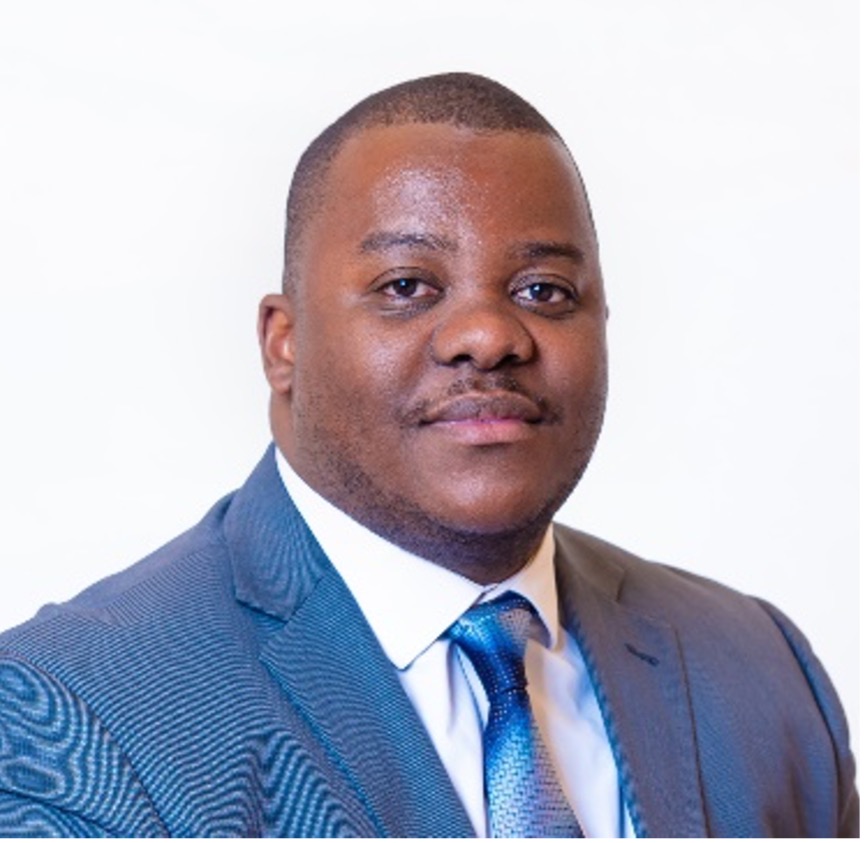
I am a medical doctor and hold a master’s in general surgery from the University of Zimbabwe. I am interested in surgery and the global effort to expand access to safe surgery for the approximately 5 billion people who currently do not have access to it.
My areas of expertise are in general surgery, paediatric surgery and global health, particularly in global surgery. My motivation came from my love for the Zimbabwean child and watching the needless suffering they go through because of surgical diseases every year. I’m interested in contributing to a healthier and more productive continent through surgical care and prevention of surgical disease.
The award has given me the skills to be a powerful global health leader, I’ve been able to expand my influence as a researcher, thought leader, and academic. I also now have the opportunity to advocate for my patients on the biggest global health stages around the world and make a real difference in people’s lives.
I am part of a collective of academics and global health policy-makers based in Zimbabwe that aims to make substantial reductions to the number of children who die from injury every year. We want to see a stronger trauma system that keeps children out of harm’s way and can adequately treat them when injuries do happen. It is an effort that spans clinical, policy, and economic spheres and has the potential to safeguard our countries future from the scourge of trauma.
I am an avid philatelist and numismatist and I am also an enthusiastic rugby fan. I am also interested in philanthropic activities in children’s injury prevention and children’s surgery.
My advice to prospective scholars is to reach for the stars! You will be surprised at what you can achieve if you make a sincere attempt and keep service to others foremost in your goals.
I am very grateful to be a part of this Beit family and very proud of the work the Trust does to make the lives of the people living in our countries better.

I hold a BSc(Eng) in Civil Engineering (with distinction) from the University of Science and Technology of Oran [2013 – 2016] and a joint BSc in Business Engineering (with distinction – very honorable) from Paris Graduate School of Management and Higher International Management Institute [2015 -2017]; both of which I pursued concurrently.
Accomplishments:
My area of academic expertise is Civil Engineering under which Water, Sanitation and Hygiene/Health (WaSH) engineering is a sub-speciality/study. As access to WaSH is not only a basic human right but also a pre-condition for social and economic development; it remains a highly undeserved sector globally, particularly in the developing world.
I chose my post-grad course with the view to gain the necessary knowledge and skill set that will enable me become an innovative and solution-driven WaSH Civil Engineer capable of making appropriate use of engineering methods, techniques and tools to design and deliver impactful WaSH engineering solutions that will positively and sustainably serve humanity.
This includes the delivery of urban and rural water supply and sanitation infrastructure, drinking water treatment and distribution, wastewater collection, treatment, transport and disposal systems.
My interests include reading engineering news, books and journals, civic leadership, golf, chess, swimming, soccer, humanitarianism, poetry, public speaking and travelling.
We all are the potential solution to humanity’s many intractable problems and the positive force to shape the world that we earnestly desire.

I studied Wildlife Management at the Copperbelt University and graduated top of my class with a distinction in July 2013. I went on to be employed as a Wildlife Ecologist by the then Zambia Wildlife Authority in July 2014 and was based and practiced in Chama, Muchinga Province. While there, I learnt a lot and appreciated the value that natural resources and particularly wildlife resources play within a rural community setting.
I am keen to explore the interactions that humans have with the environment and how this interaction shapes development of economies. With this interest, I was intrigued to study the interdisciplinary course MSc Environment and Development that has since helped broaden my knowledge and expertise in sustainable wildlife and natural resource management.
The scholarship allowed me to pursue an academic path that is so dear to my heart and has added value to my current employment especially that I went on to be promoted to Senior Ecologist just a year and half after my Master degree’s graduation. In my current role, I am able to advise senior management on sustainability issues and requirements before any developments are being undertaken in any of the national parks and conservation areas in Zambia.
Generally, I am a better person now than before, am more in tune with myself, with a clear career and academic path and I love how nature, people and the economy are interlinked and how I can clearly explain the complexities that arise from this interaction. I aim for more, an opportunity to be part of the team that works to help prepare the world for global shocks even in small ways like I am doing at the moment through my work.
I love baking, taking long walks and exercising. On occasion I participate in intercompany marathons.
My advice is to believe in your potential to excel, the Beit Trust Scholarship will elevate you in every way possible.
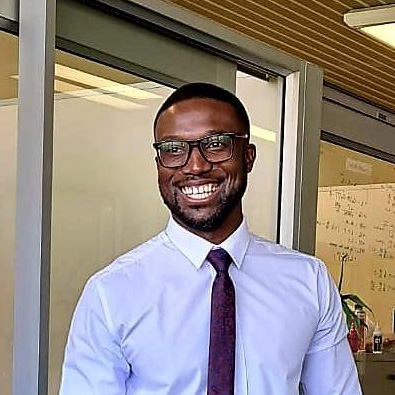
I did a BSc. Agricultural Sciences with a focus on Soil Science from the University of Zambia where I graduated the overall best student in my fourth- and fifth-year Soil Science courses with Awards from Omnia Fertilizer Limited, the Turtle-Agro-Mining Prize and SARO Agri-equipment Limited.
My area of expertise includes Climate-Smart Agriculture, Precision Agriculture, Soils & Plant relations, Sustainable Development and Irrigation & Water Management. I chose my master’s course in Soil Science because of the increasingly poor management of agricultural soils and the unsustainable farming practices that degrade the land, which if left unchecked, will lead to serious food insecurities in Zambia.
The Beit Scholarship provided funding for my training, thus allowing me to gain the relevant skills needed to provide technical and strategic support on climate smart agricultural practices that not only conserve the soil as a non-renewable resource, but also provide regenerative and rehabilitative measures to uplifting degraded land.
In terms of giving back to my country, I have actively been championing sustainable climate-smart agricultural practices among smallholder farmers in various districts as evidenced in my previous roles where I won the best innovation in Rural Agricultural Marketing impacting the Environment and Climate Change in the 2020 Champions of Agriculture hosted by MUSIKA. In addition, I am also providing soil advisory and decision support services on appropriate mechanization equipment that smallholder farmers can use at different stages of crop production.
Asides from my academic and professional life, I like to travel as I see an opportunity to learn something new in different environments. I also enjoy playing soccer and helping out my friends with farm planning.
Lastly, I would advise the future scholars that once an opportunity arises for self-development, ensure that you do your best to acquire the knowledge. The Beit Trust Postgraduate Scholarship will offer you a network of people that will support and see you succeed throughout your journey.
I am currently looking forward to starting my PhD with a specialization in Carbon studies for climate change mitigation.
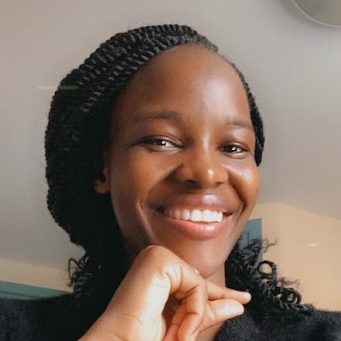
I attained a BSc. in Medical Laboratory Sciences at the University of Eastern Africa, Baraton. I graduated with a cumulative GPA of 3.81 out of 4.00; and was awarded a certificate of academic excellence for Best Overall Student during the 34th graduation ceremony.
My area of academic expertise is Medical Laboratory Sciences with a great passion for research.
I chose to pursue an MSc in Biomedical Sciences due to the increased disease burden which has affected the health status of many people around the world especially in Sub-Saharan Countries. I believed the course would empower me with advanced expertise and expose me to modern and efficient technologies that are essential in improving diagnostics services, which in turn would reduce the disease burden and improve the health status of not only the Zambian people but the world at large; as good health is a function of not only the health care services, but other socioeconomic factors such as education, agriculture, finance, sanitation among many others.
I believe without the Beit Scholarship I would have not known what I know now. Through the University that I attended, apart from the core courses that are compulsory to take, I was offered a range of optional courses from which to choose from. This enabled me to choose course that I believed would directly impact on my desired area. I can attest to the fact that the core courses as well as the optional courses did contribute greatly to my Masters project and are contributing too to my current employment.
Currently, I am actively involved in Quality Improvement projects and activities within the hospital I am attached too; so as to help improve the diagnostics services, thus contributing to the entire health care service.
Professionally I am actively involved in quality improvement activities as well as other health programs that ensure the provision of health care services as close to the family as possible.
My interests include reading scientific articles, novels, baking, cooking, and community service.
We are the future leaders. We are all given the same opportunities in life, but the success of them is dependent on how we individually embrace and make use of them.
No matter the distance you may be away from home, the Beit Trust will always make you be and feel at home wherever you may be.
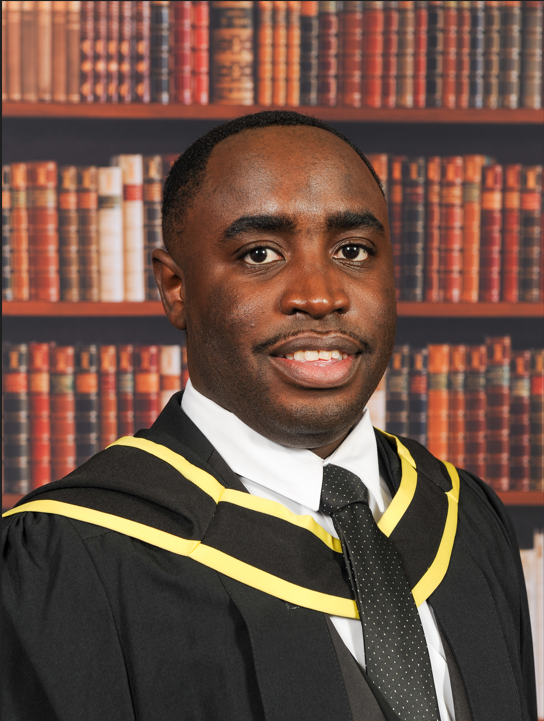
I undertook a Bachelor of Science (Honours) degree in Applied Biology and Biochemistry at the National University of Science and Technology (NUST, Zim) between 2014 and 2018, which I completed with distinction. During the course of the four years, I was awarded two Nust book prizes, the Vice Chancellor’s award and the Datlabs prize for graduating top of my class.
My academic expertise cuts across biotechnology and medical sciences, with a predilection for cancer biology. The choice to pursue biomedical sciences for my postgraduate studies was largely influenced by the soaring rate of people diagnosed with non-communicable diseases, particularly cancer, in my home country and the African region as a whole. I sought to acquire knowledge and skills in the manufacturing processes of different therapeutic agents available for such diseases including bio-pharmaceuticals which have the potential to score great successes in the treatment of a wide array of diseases.
The Beit Scholarship afforded me an opportunity to learn from some of the most erudite scholars and professors in the fields of biomedical science and molecular biology. Also, as a result of the scholarship, I grew my network with like-minded scientists from across the globe and this has helped to crystallize my vision and resolve to actively contribute towards improving the quality of life for cancer patients by way of providing life saving medications.
In future I intend to work towards improving the accessibility of all existing treatment options and novel cancer therapies for people in resource constrained environments in pursuance of the sustainable development goal 3 – To ensure good health and well-being for all.
My long-term vision is to set up bio-pharmaceutical manufacturing plants in Zimbabwe and the region to improve the accessibility of biologic medicines. I am also currently exploring ways to effectively provide mentorship to young scientists and students seeking to take up the same career path.
I am an ardent cricket player and supporter. Naturally, I am a middle order batsman and seam bowler. I also read a lot of politics and history literature in my spare time.
My advice is to be resilient in the face of setbacks and disappointments. Set your goals and go all out to pursue them. You can never know everything, be prepared to learn from each and every one you rub shoulders with.

I studied Bachelor of Science in Electrical Engineering at the University of Malawi, Polytechnic which is currently known as the Malawi University of Business and Applied Sciences. I demonstrated academic excellence and earned awards for best-performing students such as David Livingstone Award and Total Malawi Award. I graduated in 2012.
My interest in electrical engineering ignited as early as my first year of high school. Back then, I used to make small radios and repair electrical appliances.
My area of expertise is electrical engineering. Having worked for the Electricity Supply Corporation of Malawi Limited (a power utility company in Malawi) and having experienced massive black-outs due to prolonged load shedding, I developed a desire to study further in electrical power engineering to gain knowledge on power systems and markets from developed countries in a bid to contribute to ending the prolonged load shedding.
Furthermore, I wanted to develop research skills from the master’s program.
The Beit Scholarship was a dream come true. At the time of application, there was no engineering master’s degree offered in Malawi. The scholarship widened my understanding of power engineering whose principles I still apply to date. The knowledge of research I acquired was so enormous that I am now able to execute various new projects within the organisation I work for without any challenge.
Furthermore, I widened my network by connecting with people from other countries with whom we share knowledge to date.
I have been exposed to another aspect of life and to understand different cultures from different ethnicities something I could not achieve without being awarded Beit Scholarship.
After graduating with a Master of Science in Electrical Power Engineering with a distinction, I immediately returned to Malawi to work for the same organisation I worked for before (a power utility company). From 2019 to 2022 I rose from Assistant Engineer to Senior Engineer following the exhibition of high-quality engineering ethics and professionalism, and the successful completion of projects.
I am so pleased to actively take part in voluntary work, especially on academic issues given my background that I was under government scholarship during my undergraduate and Beit Scholar during my postgraduate studies. When I was a chairperson for the High School Alumni group (2020-2022), I managed to mobilise funds and pay school fees for ten students.
In my free time, I like watching soccer or watching movies. I am a fan of Manchester United since I was a kid. In addition to this, I also like traveling, mostly to new places.
My advice for future scholars is that whenever given a chance to study overseas, make great use of that opportunity. Aside from producing great academic results have time to connect with other people and to travel to learn more. There is valuable education in traveling alone.
Finally, I would like to express my sincere gratitude to the Beit Trustees and the entire Beit family for the award of the Beit Scholarship. It shaped me academically, professionally, and my life skills.
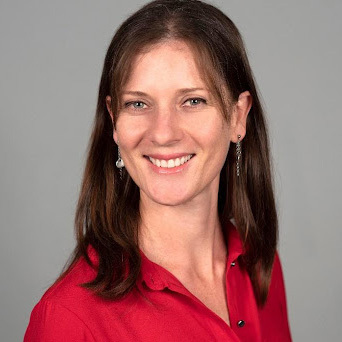
I am a paediatric physiotherapist and I specialised in the treatment of children with neurodevelopmental disorders. My role co-ordinating the national clubfoot programme in Zimbabwe and in developing group rehabilitation programmes for children with developmental delay and HIV afforded me the opportunity to advocate for family centred care.
I worked in underserved communities helping to improve the functioning and wellbeing of children with disabilities. I am passionate about supporting children and their families to thrive. I chose my MPH (Public Health in Developing Countries) course at LSHTM to develop expertise in scientific methods and best practices that would enable me to help change health behaviours, in particular with respect to disability. The MPH also included a research project, and I was especially interested to evaluate the initial two years of the Ponseti Clubfoot Programme based at Parirenyatwa Hospital, Harare, to understand our successes and areas in which we could improve.
My Beit Scholarship Award was instrumental in both creating a supportive environment in which I could achieve academic excellence, and in helping me to navigate a new culture and city. I graduated with distinction and as best student.
In 2015 I went on to complete my PhD, supported by the Beit Trust. My thesis provided evidence to improve clubfoot services throughout Africa. I led teams to develop standardised training for clubfoot therapists, and this is now used in over 30 countries worldwide.
I now work at LSHTM and Stellenbosch University as an Assistant Professor. I established the ubuntu-hub online platform for researchers, families and educationalists to stimulate innovation and joint-action approaches that improve care for children with developmental disabilities. The platform resources are used globally to teach health care workers and educate parents on caring for children with developmental disabilities in 40 countries.
My advice to future scholars is to have a good work-life balance. You have shown considerable skill in your chosen field, post-graduate study is an opportunity to develop new friendships and continue to build your network in an engaging academic environment.
The Beit Trust has afforded me a foundation on which to influence global health service delivery and advance paediatric care. Improving the lives of children with disabilities and their families on this scale would not have been possible without my Beit Trust scholarships.
In my spare time I am happiest when out trail running and delight in getting out into the mountains whenever I can.
I have BSc Biochemistry obtained from Kazan Federal University, Russia.
My area of expertise is biological sciences. I chose Microbiology, because I am always fascinated with what microorganisms can do to both other living things and the environment at large.
The Beit Scholarship helped me to achieve my goals and attain high quality education which I couldn’t achieve financially by myself. The knowledge I gained from the scholarship qualification I have been imparting onto others through lecturing, sharing my qualification knowledge to undergraduate students in Universities and Colleges.
My pastime interests are reading scientific materials and watching soccer.
The future Beit Scholars should enjoy the scholarship and attain the qualifications. The scholars should always remain focused when studying outside the home country.
In 2017, I graduated with a BSc Honours degree in Computer Science from NUST, Zimbabwe, delving into dynamic AI projects. A highlight was developing a robust face recognition system using deep neural networks, showcasing my AI proficiency and commitment to real-world problem-solving. My studies were marked by innovation, rigorous problem-solving, and staying updated on the latest computer science developments. Active engagement in coding competitions and collaborative projects enriched my practical application of theoretical knowledge.
My expertise in Computer Science centres on exploring technology’s transformative applications in Agriculture and Healthcare. The choice of my postgraduate course, MSc in Computer Science, was motivated by a profound passion for innovation. This program seamlessly aligned with my commitment to staying on the leading edge of technology and actively contributing to its advancements. Now, armed with both knowledge and skills from my graduation, I am well-positioned to apply these insights. My objective is to make substantial contributions to the advancement of Agriculture and Healthcare in Africa through the implementation of cutting-edge technological solutions.
The Beit Trust Scholarship played a pivotal role in shaping my academic journey. This prestigious award not only eased the financial burden of my studies but also served as a powerful affirmation of my commitment to academic excellence. The scholarship empowered me to focus wholeheartedly on my MSc in Computer Science.
The support provided by the scholarship facilitated access to resources, networking opportunities, and cutting-edge research initiatives. It enhanced my academic experience and broadened my perspectives, allowing me to contribute meaningfully to advancements in the field.
In tandem with my academic pursuits, I founded Simbrains Tech (www.simbrainstech.com), a company aimed at harnessing innovative technological solutions. This venture represents the culmination of my dedication to bridging the gap between technology and societal development.
Looking ahead, my future plans include leveraging the knowledge and skills acquired during my studies and through Simbrains Tech to actively engage in pioneering technological solutions. I aspire to play a significant role in driving progress in Precision Agriculture and Healthcare across Africa, making a positive impact through the intersection of technology and societal development.
I am impassioned to give back to my region in multifaceted ways. Professionally, I aspire to channel my expertise and experience into initiatives that foster technological advancement. By actively participating in and contributing to local tech communities, mentoring aspiring professionals, and initiating collaborative projects, I aim to be a catalyst for innovation and skill development.
Beyond my professional endeavours, I envision engaging in philanthropic activities. This includes supporting educational initiatives, especially in the realm of STEM, to empower the next generation of African innovators. I am committed to creating opportunities for underprivileged individuals to access quality education and technology resources.
Through my company, Simbrains Tech, I plan to implement projects specifically tailored to address regional challenges in Agriculture and Healthcare. By deploying cutting-edge solutions, I aim to make a tangible impact on the quality of life in my community and contribute to the overall development of the region.
I’m passionate about harnessing technology for societal development. Beyond work, I find fulfilment in volunteering and supporting education initiatives. In my leisure, I delve into the latest in AI, engage in coding competitions, and maintain a healthy lifestyle, often relishing outdoor activities like hiking. Additionally, I take pleasure in watching football as part of my recreational pursuits.
My advice is to embrace curiosity; stay open-minded and view challenges as learning opportunities. Seek mentorship from those who’ve walked a similar path, gaining invaluable insights. Diversify your skills, fostering interdisciplinary knowledge. Actively network to expose yourself to diverse perspectives and opportunities. Cultivate resilience; setbacks are stepping stones to success. Give back to your community through volunteering and mentorship. Balance work and life; allocate time for personal interests and relaxation. Stay adaptable in a dynamic world; embrace change as a growth opportunity. Set realistic goals, celebrate achievements, and enjoy the journey, appreciating experiences and personal growth along the way.
I extend my heartfelt gratitude to Beit Trust, particularly Ashleigh Mitchley, for their invaluable support and the transformative opportunities provided through the scholarship. Your generosity has played a pivotal role in shaping my academic journey. Thank you for making a lasting impact on my education and future endeavours.
I did my general medicine degree at Rostov State Medical University in Russia.
I undertook radiation oncology as it allowed me to bring back the principles of physics back into the forefront of my career by using radiation to treat malignant and sometimes benign conditions. Beating cancer as a disease entity was also intriguing and second nature to me as I understood early the holistic management of patients.
The Beit Scholarship allowed me to pursue my Masters dream at the time I felt right to do it. It provided me with the independence to fulfil my ambitions.
I have had stints of working in Zambia in between my studies in order to give back.
I am a writer both academic, socially positive impactful content and fiction. I enjoy this aspect of human life as it allows you to express your thoughts uninterrupted and unapologetic.
The world is your oyster and we are global citizens who need to purposefully contribute to our co-existence. My advice is to work hard, play hard and live clean.
I did my undergraduate studies at the then College of Medicine of the University of Malawi and graduated with a bachelors degree in Medical Laboratory Sciences in 2014. I worked as a research assistant at the Malawi Liverpool Wellcome Programme where among others I was awarded two separate travel scholarships to attend immunology conferences in Cape Town South Africa in 2017 and in Victoria Falls in Zimbabwe in 2018. The highlight of my time as a research assistant was when I was awarded a $10, 000 grant by the Helse Nord Tuberculosis initiative to undertake my own project.
I got interested in immunology whilst working as a research assistant at MLW and thought I would make a contribution towards research in infectious diseases. As a result, I decided to study immunology and the course being offered by the University of Glasgow was so attractive and I went for it.
The scholarship helped me affirm my interest in research in infectious diseases. The knowledge, skills and expertise that I obtained during my studies have been so fundamental in my subsequent endeavours.
I have gone on to help mentor up-and-coming scientists while also making a significant contribution as an honorary lecturer at the Kamuzu University of Health Sciences.
I am very passionate about mentoring the youth outside of science. I have been a youth leader at my local church and together we have been involved in a number of charity works for underprivileged church members. I love watching football and I am a big fan of Chelsea Football club in the UK and Big Bullets Football club in Blantyre, Malawi. I also enjoy live music and I am a frequent patron of live shows by the Black Missionaries band, a very prominent band in Malawi who happens to be my favourite band.
Sometimes opportunities don’t show up, you will have to show up yourself and opportunities will meet you. Take every chance.
I graduated from Tianjin Medical University in 2007 . I obtained a Bachelor in Medicine and Surgery.
My area of expertise is in Clinical Medicine . With the rising burden of Cancer in Zambia I chose to specialize in oncology to help the many lives affected by this deadly disease.
The Scholarship sponsored me for the entire time and helped me to realise the dream of becoming an Oncologist.
I have been fully involved in prevention, screening, diagnosis and treatment of cancer in the entire Zambia . I have volunteered to write newspaper articles and give talks on national TV and companies on cancer awareness.
I am very interested in Charity work. Helping and uplifting the lives of the underprivileged. I love swimming. I love learning new languages (I currently speak 7 languages) travelling and learning about new cultures.
Being a Beit Scholar means being exceptional! The Beit scholarship gives you a golden opportunity to change the world to be a better place. Make the best use of being a Beit scholar.
I am forever indebted to the Beit Trust for making me realise my dream and making me do what I am really passionate about . Saving millions of cancer patients.
I graduated with a bachelor’s degree in medicine and surgery from Privolzhsky Research Medical University. My medical school experience was fulfilling, marked by numerous awards. One of the highlights of my journey was receiving the award of top achiever in my fourth year. After graduation, I returned to my home country to utilize the knowledge and skills I had gained assuming a role as a resident medical officer, working and rotating through various departments. I took a special interest in the department of paediatrics and in particular children living with special needs. Fuelled by my passion for music and paediatrics, I co-founded an organization dedicated to advocating for the use of music therapy in the holistic care for children with special needs. Our organization has organized various events and fostered partnerships with local stakeholders and organizations like “Save the Children Zambia.” We are proud members of the Ndola District Child Protection Committee, contributing to awareness and action in this crucial area.
My area of academic expertise is medical sciences. My clinical experience sparked my interest in medical research and its impact on shaping guidelines for improved clinical practice, disease management and patient care. This led me to pursue postgraduate studies in medical sciences, dedicating a year to research and honing skills I hadn’t explored during my medical and clinical training.
Thanks to the Beit Scholarship, I had the chance to delve into the field of medical research. I pursued a Masters degree by research, which allowed me to concentrate on one project for an entire year. The project I chose was relevant, exciting and provided me with invaluable research skills. It revolved around a disease that sits at the crossroads of immunology and infectious diseases, enabling me to develop a thorough understanding of the different layers involved in medical research. Armed with this versatile skill set, my aspiration is to make contributions to projects focused on understanding various neurodevelopmental conditions. Ultimately, I hope to influence guidelines that promote comprehensive care for children with special needs in my country.
After completing my Beit Scholarship and postgraduate studies in medical sciences, I am eager to give back to my region in different ways. I plan to contribute to the advancement of medical knowledge by contributing to research work relevant to the specific health challenges faced in my region. By identifying and addressing prevalent health issues, I hope to help develop targeted interventions and enhance healthcare outcomes. As a scholarship recipient, I understand the value of mentorship and support. Therefore, I also aspire to become a mentor for aspiring professionals in my field, inspiring them to pursue their dreams and contribute to the region. Additionally, I will continue the work I began through the foundation I co-founded in 2018, leveraging the knowledge and networks gained from the Beit Scholarship. By combining my professional skills, passion for healthcare, and commitment to my region, I am determined to make a substantial and sustainable impact on the overall health and well-being of my community.
Outside of my medical pursuits, my interests revolve around music. I enjoy composing music, playing the guitar and keyboard, and sharing my music at different events. Additionally, I find fulfilment in volunteering at local children’s shelters, using music as a tool to establish connections and create a joyful atmosphere for the children. Furthermore, I am passionate about organizing music-centric events that bring people together. I also enjoy swimming and immersing myself in a diverse range of literature.
My advice for future scholars is let opportunity find you ready. The key lies in the unseen efforts you put into your work. Whether it be the sacrifices made or the hard work dedicated to a project or personal growth, remember that its significance and necessity is not based on how visible and loud it is to those around you. Focus on fulfilling your responsibilities and putting in the work so that when opportunity does arrive, you are fully prepared and ready to seize it.
I am extremely grateful to the Beit Trust and take immense pride in being part of its rich legacy.
I hold an upper second-class BSc degree in Civil Engineering (Transportation) from the University of Malawi. My area of expertise is design, construction, maintenance, and research in land transport infrastructure.
The scholarship allowed me to gain a great deal of knowledge and hone my skills in transport infrastructure. My future plans are to contribute to the development of my country through the design and construction of sustainable transport infrastructure.
I plan to use my acquired skills to contribute to the development of road and bridge infrastructure that is safe, efficient and resilient to the effects of climate change in Malawi. My passion is improving rural accessibility in Malawi.
In my personal time my interests include research in sustainable engineering, reading novels, playing 5 a side football and watching reality tv shows.
My advice to prospective scholars is to give it your best, best shot.
I read for a Bachelor of Arts Degree in Economics from the University of Zambia and graduated with Distinction. At my graduation, I was awarded the University Dean’s Commendation Awards for the Best Economics Graduating Student and Best Overall Graduating Student in the Bachelor of Arts program of the School of Humanities and Social Sciences.
I am very passionate about Macroeconomic and Monetary Economics Research. I am also keen on econometric modelling. I chose to read MSc Economics (Finance) because it is highly quantitative and also fits into my long term career ambitions to specialise in financial markets/monetary economics research in Zambia.
The Beit Scholarship Award gave me an opportunity to read at one of the top Universities in Europe, the University of Edinburgh. Moreover, I had a rare privilege to enrol into the prestigious Scottish Graduate Program in Economics. This program has set me up greatly for my PhD which I hope to pursue over the medium term. Overtime, I look to pursue a career in Central Banking, specialising in research that is relevant to the conduct of monetary policy in Zambia.
I plan to contribute to new knowledge and ideas in research on macroeconomic and monetary economics issues. While on my MSc, I learnt unique skills in advanced time series econometric modelling which involves non-linear econometric models. This is a rarely researched field in my country and region and yet, very applicable to the setup of most of our economies which are often susceptible to external shocks that induce non-linearities in the evolution of economic fundamentals.
I have a lot of interest in music. I sing in a choir but I also love to listen to classic and opera music. I also love everything football! I like to play and watch football.
The Beit Scholarship is one of the most prestigious scholarships in the world. By virtue of being a Beit Scholar, one is expected to be an exceptional individual. My advice to future scholars is that we should all continue to strive for excellence in all our endeavours. Lastly, we should be looking forward to returning to our home countries and contribute to the development agenda using our newly earned skills.
My undergraduate studies was a Master of Medicine and Surgery at the University of Zambia. I have always wanted to be a doctor so this achievement opened the door to my life career. Practicing medicine at undergraduate reconfirmed my love for the profession and desire to achieve more.
I have a postgraduate in Internal Medicine because of a lack of specialist in the field in the country. Doing my Masters has equipped me with a lot of knowledge and has improved the quality of care I provide for my patients. I have now established a cardiac clinic that caters for the northern region of Zambia and I refer advanced diseases to the National Heart Hospital.
With the knowledge acquired I am the provincial co-ordinator for the ECSACOP fellowship in the Copperbelt province.
The Beit Scholarship helped me achieve my dream of being the best and knowledgeable clinician in my field of work by training at the best university equipped enough to learn the art of medicine to the best of my abilities without limitations.
My achievement has allowed me to give back to the community that I grew up in and also to teach students so that the knowledge is transferred and lastly providing expert knowledge where it was impossible prior to my return.
In turn I have given back by opening up an NGO to help vulnerable children. Professionally I have involved myself in teaching undergraduates without payment and I conduct specialist clinics.
My interest apart from work would be voluntary work where I’m involved in feeding orphans. Every year I am involved in activities for children especially during Easter holidays and at Christmas time. I also like to volunteer health services in vulnerable communities
I run and walk a lot for health reasons and my hobbies are watching TV, traveling, exploring new places, tasting different types of cuisines (I love food), cooking and gardening.
They used to say the sky is the limit. I say there is no limit, believe in yourself and set goals. Anything can be achieved with a right mind set
The Beit scholarship helps open doors to a lot of opportunities, and I would advise those that are eligible to apply and achieve their life goals.
I studied for an engineering and social science integrated Bachelor of Science Degree in Renewable Energy Technologies from Mzuzu University. Among many other awards, I was accorded with the Malawi Energy Regulatory Authority Overall Best Student Award and I graduated with a distinction.
During my undergraduate studies, I became passionate about Productive Use of Energy and Poverty Eradication. The discipline requires knowledge in engineering, economics and enabling policies. Courtesy of the Beit Trust Postgraduate Scholarship, I have studied for an MSc (Eng) in Electrical Engineering and Renewable Energy Systems- with distinction from the University of Leeds. I gained mastery on electrical power generating systems through renewable energy sources and I incorporated financial and economic analysis for energy systems development in my individual project.
The MSc (Eng) in Electrical Engineering and Renewable Energy Systems has all aspects that I envisioned to study. Apart from engineering modules, the program has various exercises on global energy policy evaluation and developing in relation to net- zero campaign. With the expertise gained, I plan to champion energy infrastructure development in Malawi and Sub- Saharan Africa through the Productive Use of Energy initiatives.
Going forward, apart from working as an academician, I plan to assist in consultancy and direct projects implementation in Malawi and the region. The aim is to contribute to economic transformation in rural communities through modern energy services use and entrepreneurship.
Outside of my studies and career, I have been involved in youths and women empowerment. I voluntarily trained women in briquets making for domestic use and I also trained youths in small enterprise start-up and management. I enjoy travelling to rural communities which gives me a chance to experience diverse cultures and explore developmental opportunities.
My advice to prospective Beit Scholars is to note that beyond the brainpower, it takes passion which comes from within to make a difference. Be passionate about what you study.
The Beit Trust gives more than a scholarship, it gives a family. The University of Leeds is beyond an academic institution, it is an international community; a centre for connection with global brilliant minds.
I studied Law at the University of Malawi where I graduated with an LLB (Hons) Degree in 2013. My area of academic expertise is International Law and Policy.
The Beit Trust Scholarship enabled me to gain rare skills and knowledge in Public Policy; from understanding the philosophy and politics of policy making and implementation, to understanding how law can be an enabler or impediment towards implementation of public policies. Most importantly, the scholarship enabled me to create a huge network of friends and colleagues that I have been interacting with regularly in making the world a better place.
Moving forward, I plan to continue working in Public Service to effect important legal and policy issues for the people. I will also continue teaching at universities and the Malawi Defence Force Command and Staff College to share the knowledge I have gained through the Beit Trust Scholarship.
My main interests are Law and Public Policy focusing on security and human rights. Aside from working as Chief of Legal Services for the Malawi Defence Force, I am the Vice President of the Super League of Malawi where I provide my expertise on a voluntary basis to help develop football in Malawi. My number one hobby is playing and watching football, jogging, hiking and reading fiction.
My advice to future Beit Scholars is do not be afraid. Anything is possible. Stay focused, live your dream but always be sure of what you want to achieve. When in doubt, always consult.
Lastly, the world can be a better place if we make policies that will help create a world better led, better served and better governed.
I am proudly a Beit-Oxford Scholar from the class of 2016! I completed my undergraduate studies at Midlands State University in 2012. From there, I pursued a postgraduate diploma in International Wildlife Conservation Practice in 2014, followed by a Masters in Zoology in 2016. Finally, I had the incredible opportunity to earn my MSc in Zoology in 2018 and doctorate from the University of Oxford in 2020.
Currently, I serve as the director and CEO of the Cheetah Conservation Project Zimbabwe. It’s an honour to lead one of the few research initiatives in Zimbabwe that is spearheaded by a black Zimbabwean. Additionally, I work as a consultant and postdoctoral researcher for the Morally Contested Research Project at WildCRU, University of Oxford.
My expertise is being Human-Wildlife Conflict Expert, I am passionate about large carnivore conservation.
Being awarded the Biet Scholarship has helped become a leading expert on human wildlife conflict and large carnivore specialist.
Further, I have established a cheetah conservation project in Zimbabwe to try and save the species from population decline.
In my spare time I love to go camping.
My advice to potential Beit Scholars, Scholarships are hard to get, for you to write the best scholarship application start preparing your application way ahead of time.

I studied a Bachelor of Arts in Communication and Cultural Studies focused in Public Relations from the University of Malawi, The Chancellor College. My research focused on gender equality and decision-making with a GPA grade of 3.75, a distinction.
I have completed a Masters in Public Policy from the University of Oxford, Blavatnik School of Government. In the pursuit of living in a world better served, I founded Youth Arise Network on voluntary basis to facilitate education, health and employment projects in Malawi. Capacity built in Human Rights and Good Governance, I have reached over 2000 youth and women and presented key issues within Africa and beyond in various capacities such as NOREC Ambassador and European Development Days Young Leader 2019. A Masters in Public Policy will groom me into becoming a Development Expert specialized in policy-making where my input would reflect the needs of the communities I have lived and worked in, promoting inclusion and equality for all.
With support from the Beit Trust Scholarship, I was given the opportunity to study at one of the worlds leading academic institutions. I have gained insight from leading policy practitioners and lecturers, building collaborations for global impact. With a thirst for learning, the scholarship gave me the opportunity to broaden my understanding on multiculturalism and diversity as I interacted with multi-cultured individuals from all over the world. These experiences have fuelled my passion to discuss issues most pertinent in our societies; inclusion, equality and access to adequate resources for development as pathways to peaceful and prosperous societies.
Youth Arise Network (Y.A.N) has since doubled in membership. Y.A.N volunteers have been trained in volunteerism, leadership skills, personal development and resource mobilization to ensure that more young people have the capacity to lead their own projects and create a world better led and better served, particularly in areas of education, economic empowerment and health. Furthermore, in my capacity as Athena Networks #WhatGirlsWant Malawi Focal Lead, I have mobilized girls and young women across Malawi, whose views contributed towards the 2021 UNAIDS Political Declaration to deal with the global health crisis. The young women and girls have also participated in setting advocacy priorities to ensure the lives of adolescent girls and women in Africa are safe and protected.
I am a Guest Writer for the MO Ibrahim Foundation (An African Foundation the critical importance of governance and leadership for Africa. I am also a digital content creator, mental strength coach, SRHR Advocate and public speaker. As I build my career, I aim to be a source of inspiration to all youth and young women to nurture their ambitions in order to become the best versions of themselves.
A wealth of opportunities awaits you by way of the Beit Trust Scholarship. Do a thorough research on your preferred universities, ask for clarification from alumni where you do not understand and do your best throughout the process.
Cleopatra is a Dental Surgeon who holds a master’s in business administration from the National University of Science and Technology, and a bachelor’s degree in Dental Surgery from the University of Zimbabwe. Cleopatra has a strong work ethic that has been inspired by a diverse experience from working in sales and marketing since her teen years, dentistry private practice, public service in the Ministry of Health and Child Care Oral Health Services Department and lectureship at the University of Zimbabwe Department of Dentistry; and at the School of Dental Therapy and Technology. At present she is an awardee of the International Dental Federation FDI 2021World Dental Development Fund, and the Zimbabwe Dental Association 2021 Protea Award.
Cleopatra is an advocate for health equity and Oral Health and enjoys oral health research and health administration. She is a Mandela Washington Fellow (2017), she participated in the Civic Leadership Track at Kansas State University of the Young African Leaders Initiative on the merits of practising Dentistry in disadvantaged communities. Exposure from the fellowship, dental missions work and her early career experiences made her appreciate the importance of working in multidisciplinary teams, the impact of health policy and influence of the international community on a country’s healthcare system. This motivated her to pursue studies in global health. Cleopatra aspires to be a Dental Public Health specialist with influence on Global Oral Health.
The scholarship award helped equip her with the skills and knowledge to take her career further. As the gap of oral health inequalities continues to widen in both developed and developing countries. In various parts of the world there is a move to give Global Oral health the attention it deserves and change the conventional approach of curative treatment. Partaking of the Global health studies helped her appreciate that oral health solutions can emanate from anywhere in the world, even in resource constrained countries such as Zimbabwe. Since completion of her studies her professional network has widened internationally, she has been appointed leadership responsibilities in the Zimbabwe Dental Association , is also involved in various regional oral health research projects in the capacity that allows her to apply her acquired competencies. This has allowed her to contribute to the oral health discipline at a higher level, and widen her scope of practice.
She have been assisting and motivating her peers and colleagues aspiring to pursue further studies to engage. She now serves in committees for young professionals development , and continuous professional development for the dentistry profession in her country. She has also been participating in collaborative projects to strengthen relations and capacity building for oral health professionals in the African region.
In line with her passion for Dental Public Health, she carries out outreaches which provide dental care to the disadvantaged and those in very remote parts of Zimbabwe with various organizations. These outreaches enable us to extend oral, maxillofacial and medical care to people who would have otherwise not have accessed it. She is an avid reader with a particular interest in African Literature, Christian literature and World history. She is passionate about developing the character of leaders and young people in high schools and universities, she does this as part of Student Connect Trust (SCOT), an organization that impacts more than 10,000 young leaders in Zimbabwe annually. Travel and museum visits are another favourite past time which afford her the pleasure of learning about various cultures.
“The legacy that Alfred Beit left is the reason we are beneficiaries of this scholarship opportunity. The question to ask oneself is what is the legacy I am willing to leave in my lifetime and beyond. If he and others could do it, then we are also capable of doing it!”.

Chishimba pursued her bachelor’s degree in Mass Communication from the University of Zambia, where she graduated with merit in 2017. During her final year of study. Chishimba participated in a US State Department DREAMS (Determined, Resilient, Empowered, AIDS-free, Mentored, and Safe) initiative national essay writing challenge. She emerged as one of the twelve winners selected as the official DREAMS Ambassadors for adolescent girls and young women in Zambia. As an Ambassador, her responsibility is to champion the cause for a Zambia where every girl can thrive without the prevalent infections, namely, HIV/AIDS, teenage pregnancy and early marriages. After completing her undergraduate studies, Chishimba worked as a Gender coordinator at Lubuto Library Partners. Her roles were advocating for the fight against HIV/AIDS, promoting comprehensive Sexual Reproductive Health Rights education and gender equity among girls aged 15-24.
With her resolve to become a leading advocate and expert in women’s studies, Chishimba decided to further her education by applying for postgraduate studies. In 2018 she was awarded the prestigious Beit scholarship to pursue a master’s degree in Journalism and Media Studies at Rhodes University in South Africa. Her master’s thesis investigated how “Zambian women use Feminist Facebook pages to challenge patriarchy and gender non-conformity in Zambia’s highly conservative and patriarchal society”. Her experience at Rhodes has been one of self-discovery, a journey of learning, unlearning and relearning. As determined as she arrived at Rhodes, Chishimba completed her studies in December 2020 and has since returned to Zambia. She has continued serving as a DREAMS Ambassador, providing mentorship to young girls and women.
Chishimba’s insatiable drive for knowledge landed her another scholarship. She was awarded the Rhodes Scholarship in 2020. She will embark on further graduate studies in 2021 at Oxford University as a Rhodes Scholar Elect for Zambia. When asked about what the Beit scholarship means to her, Chishimba said, “I am grateful and indebted to the Beit Trust for awarding me the prestigious Beit-Rhodes scholarship. The Beit scholarship has enabled me to attain quality education and opened the door for me to pursue a DPhil at Oxford, a world-class University”.
Her advice to anyone thinking of applying for the Beit scholarship is that they go for it as you will never know if you never try. “There will be doubters, naysayers, and others will discount us based on gender, race, or nationality. We need to silence these voices, including those in our heads that tell us we can’t because we can!
I completed my Bachelors in Accountancy at the Copperbelt University and proceeded to begin my career as an Auditor with one of the Big 4 external audit firms. I completed my ACCA and was awarded top Affiliate in Zambia and received 3 other ACCA awards for being top in Zambia for 3 professional level papers. I worked in Banking – Internal Audit before beginning my full time MSc Accounting and finance studies at the University of Leeds, U.K. I completed my Certification in Internal Audit and was awarded the CIA designation alongside my MSc in 2020.
I currently work as Internal Controller in an International NGO and ran a part time small scale business.
I specialise in Accounting and Audit work with additional experience in fraud investigations.
I chose my post graduate course due to the academic experience I knew I would gain from the holistic learning experience Leeds offers. Additionally, the modules in this program including the research modules were of interest to my professional growth as a finance professional.
The award gave me an opportunity to be exposed to a culture and experience I was unfamiliar with and enhanced my network through meeting people from different backgrounds.
The award also gave me an opportunity to study at a top university with all expenses paid and supported. I now apply the various experiences and exposure gained both in and outside class, to my day to day work.
Working for an INGO as Internal Controller to ensure I participate in ensure the organisation achieves its objectives.
I ran a part time baking business which was initially a hobby. I also spend time reading and I love to watch videos that teach me how to create various things, learn new skills, and efficient ways to work and perform day to day tasks.
My advice is to enjoy the whole experience and create a network because people build people. Remember, be open minded to challenges as they are learning opportunities. Choose a program that will allow you to grow professionally and also enables you to give back to others through your work.
I studied a Bachelor’s Degree in Geology at the University of Zambia and graduated with a distinction. In my undergraduate studies, I topped my class consecutively for 4 years.
My area of expertise is Earth Sciences (Geology and Geophysics). I choose Geophysics because I am interested in the numbers of the earth materials.
Beit Trust provided me with an opportunity to achieve my goals by funding all my MSc course including living and accommodation fees.
I’ve been helping my country through First Quantum Minerals to find Minerals such as copper and cobalt as these metals are important in the green energy that the government has embarked on.
In my spare time I like reading books, watching YouTube, listening to music, taking walks. I also plan on tutoring Geophysics at the University of Zambia on a voluntary basis.
Once given the opportunity to study under the Beit Trust scholarship, hold it with both hands and make sure you study and follow the rules and laws of the host Country (i.e South Africa and United Kingdom). Such opportunities are rear so use them to your advantage to better your home country and the world at large.

I attained a BEng (Hon) degree in Chemical Engineering from the National University of Zimbabwe. I graduated with a 2.1 and was awarded a prize for the best graduating female in the department. I also wrote a publication on my final year research project titled ‘Yellow Dye Extraction from Eucalyptus Grandis Bark’. I presented this project at National Engineering Students Awards Competition (NESAC) competing against 11 other engineering students from universities across Zimbabwe and I won 2nd prize.
My area of academic expertise is in biorefinery technologies. I chose to study MSc in Chemical and Process Engineering at University of Strathclyde because I wanted to broaden my understanding of as well as develop my technical skills in recovery of valuable products from biomass which happens to be a research area that the Chemical and Process Engineering department of the University of Strathclyde focuses on.
The Beit scholarship award covered my tuition and living costs while studying at the University of Strathclyde. I completed my studies thus gaining valuable knowledge and technical skills in biorefinery technologies. I graduated with a distinction and was awarded two prizes, one for best overall average mark in the program and the other for best individual project. As for now, I am working towards enrolling in PhD studies focusing on production of value-added products from biomass as substitutes for currently used fossil fuel-based industrial chemicals.
Having completed my studies in 2020, I recently travelled back to my region and have been working on integrating back into the community with the goal of enrolling in PhD studies and making a contribution in promoting green technologies in the region my special interest being use of biomass.
I love words and as a result I always have my nose buried in a book. I particularly enjoy self help psychology books, my current favourite being Man’s Search for Meaning by Viktor Frankl. I also enjoy creative writing. I write blogposts and have since begun writing my own book. I enjoy going on hikes and being outdoors.
My advice is to adjust to your new environment as fast as you can and then begin enjoying the time that you have on your scholarship. Build connections, and be open to new experiences.
I am a clinician and graduated from the University of Zimbabwe with a Bachelor of Medicine and Bachelor of Surgery (MBChB) in 2012. I subsequently obtained a Professional Diploma in Tropical Medicine and Hygiene (East-African Partnership) from the London School of Hygiene and Tropical Medicine in 2017.
My area of expertise is Clinical Medicine. I chose to study Public Health because I am an advocate for Health Equity and wanted to understand more about social determinants of health and contribute on a larger scale to creating a healthier and more productive society.
The Beit Scholarship gave me the opportunity to acquire knowledge and skills to further my career. I was able to pursue my postgraduate studies in Public Health at the University of Leeds. In addition, I have gained an invaluable network of friends and colleagues across the globe to share ideas and experiences.
Since the completion of my studies, I continue to support fellow colleagues and students wishing to pursue further studies.
During my spare time, I enjoy travelling, hiking and photography, particularly wildlife and landscape photography. I am passionate about nature!
Being a Beit Scholar is a priceless experience! To future Beit Scholars, use the opportunity to the best of your abilities and learn as much as you can. While at it, don’t forget to live! Have fun, explore the world, make friends and memories that you will look back at with fondness. You only get one shot at life!
My profound gratitude to The Beit Trust for giving me the opportunity further my career. I hope you will continue supporting aspiring scholars as you have supported me and hopefully, they can realise their full potential, turn their hopes and dreams into reality and leave footprints on the sands of time.
I completed my undergraduate studies at the University of Zambia in Lusaka, Zambia where I obtained a Bachelor of Science in Human Biology with Distinction and a Bachelor of Medicine and Surgery.
I am a medical doctor and I chose to specialise in neurology because it has always been of academic and personal interest to me. I am so glad I went this route, and I am further specialising in epilepsy.
The scholarship partly funded my four-year program at UCT and essentially helped build the foundation of where I am now. It gave me the opportunity to study at one of the best universities on the continent.
I am a neurologist working in the public sector and currently coordinate the national electroencephalography laboratory. I have also since joined several international neurological organisations on which I serve in various committees advocating for better neurology education and care. I am also conducting epilepsy research.
My interests are education, epilepsy and telemedicine. I love swimming and exploring new places when I get the chance.
Find your passion and pursue it. Don’t hold back.
My medical degree was done at University of Zimbabwe, where I achieved an MBChB (Hons) (UZ). I was awarded the Ethel Barrow Prize in Anatomy and Physiology, the UZ Book Prizes in 2nd and 4th year and the Jijide Prize for the Best Overall Student over the 5 year programme, all in medical school.
My expertise is Diagnostic and Interventional Radiology with a special interest in Neuroradiology. I chose radiology because I believe that accurate and timely high-quality diagnosis is critical in assisting other clinical colleagues to offer the correct management of patients and hence improve patient outcomes.
The Beit Scholarship took care of my financial needs while I focused fully on acquiring the high level skills I need to achieve my goals in assisting fellow clinicians with quality interpretation of radiological examinations. I am currently pursuing a mini-fellowship (subspecialty) in Neuroradiology with the European Society of Neuroradiology, focusing on Diagnostic Neuroradiology and Head and Neck Neuroradiology, while gaining experience as a consultant radiologist for a hospital in New Zealand.
To give bac I am involved in teaching medical students in Zimbabwe at the Midlands State University Medical School.
In my spare time I play futsal, watch soccer, mountain climb (walkways) and read.
My advice to prospective Beit Scholars is to set yourself a goal and work hard to surpass it! With the immense support from the Beit Trust it really takes away the burden of worrying about living expenses while studying and one can focus on acquiring their skills to the highest level.
I acquired a BSc(Hons) Food Science and Nutrition from the Midlands State University; Zimbabwe in 2013 as a Joshua Nkomo Scholarship (Econet) beneficiary.
I am a Food Scientist by profession and I chose an MSc Food Science & Nutrition to better understand the interface between Food Science and Nutrition with an international exposure. The availability of abundant raw materials in Zimbabwe and the lack of knowledge regarding their properties compounded with the scarcity of suitable processing technologies serve as an impetus for me to desire to pursue a Masters in Food Science at Leeds so as to be able to apply modern food processing technologies to local conditions.
An opportunity to study at Leeds University School of Food Science and Nutrition, one of the leading top schools in Food Science, enabled me to create global networks, refine my technical expertise and equipped me with research skills to engage in meaningful research and development projects in Zimbabwe. The quality of research and the funding the University of Leeds attracts means it is able to invest in world-class facilities and academic staff who are actively engaged in cutting-edge research. As a result, during my Master’s degree I had the opportunity of being taught by internationally renowned, inspirational academics working at the forefront of Food Science and Nutrition research.
Drawing from my experiences on my return, I am currently the Production Technical Specialist for ProDairy, a leading Zimbabwean dairy processor, pioneering research, and production of new nutrient rich dairy food products in the Zimbabwe for a sustainable food system. Professionally working in the food industry, I have been significantly contributing to SDG 2- zero hunger, by working to improve food security in the region.
Having preserved a culture of responsive community leadership and responsibility within me, I regularly participate in community engagement activities with various alumni groups I am affiliated to which include – Joshua Nkomo Scholarship alumni and YALI RLC(SA) Zimbabwe Chapter.
My advice to new scholars is to keep your goal in mind- eyes on the prize! Take initiative, stay focused and make sure you complete your goal.
I earned my Bachelor of Accountancy degree with Distinction from Copperbelt University, receiving the Bank of Zambia Scholarship in my third/fourth year in recognition of my outstanding academic performance, which culminated in graduating as the top student in my class. During my undergraduate journey, I was honoured to receive the Mopani Copper Mines award for being the best-performing second-year student and the Dean’s award for being the best graduating student. Furthermore, I, along with three other students, participated in the CIMA Global Business Challenge and achieved the runners-up award at the Zambian Final.
My primary areas of expertise are in Audit and Financial Risk Management. My passion for derivative markets was sparked during a financial management course I undertook as an undergraduate, leading me to pursue an MSc in Financial Risk Management.
The Beit Scholarship provided me with invaluable opportunities to gain hands-on experience in derivative valuations. Upon completing my studies, I returned to Zambia and joined KPMG Zambia. Through discussions with KPMG leadership, I was granted the opportunity to join the KPMG South Africa Financial Risk Management department on a secondment, which proved to be an enriching experience.
I’m dedicated to mentoring young professionals and providing guidance to those interested in pursuing further studies, particularly with regard to the BEIT scholarship application process.
In my leisure time, I find joy in watching football, traveling, and relaxing at the beach during the summer.
To future scholars, I offer the advice to relish their time in the UK and make the most of it. Creating networks with individuals from all around the world and exploring the UK and Europe are experiences that can greatly enhance their educational journey.
I am currently employed at KPMG LLP in New York, serving as a Senior Manager in the Financial Services Practice. After relocating to the USA, I successfully passed the US Certified Public Accountant (CPA) exams and obtained my CPA license in New York. My pursuit of a Masters degree at Leeds University contributed to meeting the academic credit requirements for obtaining my CPA license in New York.

I graduated with a Bachelor’s degree in Agricultural Sciences (Animal Science) with Merit, from the University of Zambia in 2013.
My area of academic expertise is Animal Nutrition, which is a specialised field in Animal Science. I worked as a junior Nutritionist for 3 years before I went on to get the MSc in Animal Nutrition. I chose to pursue postgraduate studies to improve my technical and research skills.
The Beit Scholarship helped me to obtain the MSc degree in Animal Nutrition at Stellenbosch University which I’m forever grateful for. Since graduation in December 2019, I have gone on to join the Urban Farmer subsidiary in Zambia (Isibaya Holdings) as the Account Manager for Zambia. My current position enables me to combine my technical skills in animal nutrition and feed formulation with the commercial skills that I have now acquired to promote business growth and success.
I work directly with livestock farmers in Zambia to provide support in livestock production and feed formulation to ensure their farming enterprises are successful.
I enjoy to travel and reading. I have on occasion worked with church organisations and NGOs in rural parts of the country to train women in livestock production and feed formulation in order to empower them to be self-reliant.
Being a Beit scholar at Stellenbosch University was an exciting experience for me and one that I will never forget. I’d advise future scholars to have a holistic experience during the course of their studies. They should explore the cities they’ll live in, make friends with people of different cultures and have fun!
It has been such an honour to be a Beit Scholar, I enjoyed my stay in Stellenbosch and I love what I do now as a result of having obtained my MSc degree.
The Beit Scholarship Award enabled me to successfully pursue my goal of training as a diagnostic radiologist at the prestigious Stellenbosch University. My goal was to become a radiologist and provide a much-needed service to my home country. Having returned home, I have been one of two radiologists privileged to look after patients in the Northern provinces of Zambia. These are patients who would previously have been referred to the capital city, Lusaka, for imaging & further management or not referred & be managed without radiology input or image guided intervention.
In August 2019, I was awarded the National 1st prize Travel Award (US $ 3100) for best scientific oral presentation at the Radiological Society of South Africa and Society of Radiographers of South Africa (RSSA-SORSA) Imaging Congress, held from August 15- 18, 2019 at Century City Conference Centre, in Cape Town, South Africa. In May 2020 my Research audit on the Radiology resources in Zambia was accepted as a poster presentation and published in European Society of Radiology Congress of Radiology ECR 2020 book of scientific abstracts, in Vienna, Austria.
I am an Avid Tennis player and enjoy watching as well as playing soccer. Additionally, I am a hiking and mountain biking trail enthusiast.
My advice to Beit Scholars is to just keep swimming, and to future Beit Scholars, never give up on your dreams.
I studied political science which was my major and I took Economics as my minor. I successfully completed with a credit.
Political science and for my postgraduate I was specifically interested in Foreign Policy and International Relations within the field of Political Science. My interest arose when in 2011, UK suspended aid to Malawi after it (Malawi) threatened to expel the British High Commissioner over the remarks he made towards the then president, Dr Bingu wa Mutharika. This move made me curious to know the relations Malawi has with other countries and what guides the dynamics of those relationships. This made me want to explore key relations Malawi has and identify how resolution and cooperation can be reached when countries find themselves in a conflict. Additionally, my interest in post conflict cities, specifically how one can rebuild such cities led me to choose international relations as this course unlocks the theories to conflict resolution and cooperation among countries and touches on the influence of foreign policy (especially of key countries) on the development of other countries.
The scholarship gave me an opportunity to dive deeper into theories of cooperation and foreign policy that made me understand the decisions my country makes and how I can contribute to ensuring that the relations Malawi has are of benefit to the nations development. Additionally, the scholarship accords me an opportunity to explore the UK way of doing things in terms of governance, economic development etc which I am currently using that knowledge in my works as an Issue Based Facilitator.
My work which involves issue scoping on issues that are hindering economic growth and unlocking solutions to those issues is benefiting Malawians specifically MSMEs to access services easily and prosper with good systems in place.
I enjoy watching soccer, reading. I enjoy helping people become all that they were created for and do great things in helping others too.
My advice is to apply for the Beit trust scholarship. It’s one of the most outstanding scholarships and offered you an opportunity to do your studies with ease.
To Beit Trust: Thank you for creating an opportunity for many to study with ease
I did my undergraduate studies at the University of Zambia, School of Medicine, Lusaka, Zambia. I graduated in 2013 with a Bachelor of Medicine and Bachelor of Surgery (MBChB). I graduated in the same intake or class with Dr Melody Asukile who is also a Beit Scholar Alumnus.
My area of academic expertise is in medicine and surgery with a specialisation in Anaesthesiology and Critical Care.
The Beit Scholarship Award has helped me become a leader in my line of work as a specialist anaesthesiologist and critical care specialist. I have gone on to work as a regional manager at Zambia National Blood Transfusion Service and as a consultant for various international organisations in different countries.
I am currently working in my country at Zambia National Blood Transfusion Service where I am advancing the cause to increase access to blood and blood products for all by providing leadership and governance of the southern region of the institution; establishing a sustainable financing model through insurance and cost recovery mechanisms; and developing strategic initiatives to improve the supply and sustainability of safe blood and blood products.
I love to travel, take walks, go hiking and reading books. I am a volunteer with Médecins Sans Frontières were I take up missions when there is a need.
Being a Beit Scholar is a prestigious honour and it is a great privilege to be awarded a Beit Scholarship. On my part, though the scholarship made me acquire a wealth of knowledge and expertise from studying the MPH, it also helped me become a new person with a different perspective of life that allows me to speak for the marginalised (the sick people in communities) and also dedicate a lot of my free time to volunteer work.
You will never go wrong to apply for a Beit Trust Scholarship. It has one of the most objective trustees I have ever come across in my career.
I obtained a MbChB degree from Russia.
My area of expertise is Diagnostic Radiology. I chose it because it is such an integral part to a functioning health system and there is a serious shortage of this expertise in my country.
The Beit Trust sponsored me financially paying my tuition fees and stipend. Without the financial aid it would have been impossible for me to complete my studies.
Currently I am teaching diagnostic radiology to trainee doctors and technicians in my country to improve capacity.
Radiology all but consumes most of my days. I love to cook and spend time with and friends. Reading is a habit I have had for most of my life, lately reading motivational books. I am an advocate for girl child education and women empowerment and lately mental health.
Post graduate training can be a wonderful and challenging experience with many opportunities for self-discovery and growth. Work hard, put in your best and you will definitely reap the rewards.
I am eternally grateful to the Beit trust for providing me this opportunity to not only acquire a relevant skill for my country but also give me the ability to change the course of my family’s future.

For my undergraduate degree, I studied for a medical degree at the University of MalawI which I completed in 2015. When I was in medical school, I had a keen interest in public health and I was the top student in my community health cohort. Soon after I completed my studies, I was recruited as an intern in the School of Public Health and Family Medicine under the tutelage of Associate Professor John Phuka who was the Dean of the School at that time.
I am a public health scientist with special interest in evaluation sciences which involves using knowledge and tools from various public health disciplines like epidemiology and health economics to investigate if interventions or policies actually work in a given context. It is for this reason that I studied for a Master of Public Health because it enabled me to gain competency in a variety of public health sciences giving me a multidisciplinary toolkit which is required to evaluate different interventions and provide guidance to various stakeholders.
I was able to complete my studies at Edinburgh successfully and I managed to graduate with a distinction. Currently, I am employed at the Kamuzu University of Health Sciences as a Research Fellow and my job involves conducting research and teaching and supervising Masters students.
Furthermore, I am pursuing my doctoral studies at the University of Amsterdam as a Trainee Fellow under the The European and Developing Countries Clinical Trials Partnership (EDCTP). My capstone project is an evaluation of a digital health tool that is designed to help adolescents living with HIV adhere to their daily medication and live a healthy life; an exciting field with a paucity of good quality research.
I have provided scholarship and funding guidance to many students who have gone on to be successful in their applications; some of which are current Beit Trust Scholars, so I am proud of this.
Additionally, being a researcher at my core, I provide assistance and guidance to many young and junior researchers on their various research projects thereby improving the capacity of Malawian researchers.
In my spare time I love swimming and I usually organise trips with my friends to lake Malawi, which is in my opinion, the best destination in the world. I am also an avid video gamer, and I also love watching football.
My advice to prospective Beit Scholars is that the selection process for a Beit Scholar is quite competitive and I believe that Beit selects the best students in the world. Therefore, once you commence your studies, work hard and have the confidence that you deserve to be there and do not be intimidated by the new environment or anyone. Keep your head held high and just do your thing.
I did my undergraduate degree at the University of Malawi, The Polytechnic where I graduated with a Bachelors degree in Accountancy with Distinction. My undergraduate experience was nothing extraordinary, but I did enjoy meeting new people and learning from others.
I am a Finance professional with particular focus & interest in investments. When I started my undergraduate I really wasn’t sure what I wanted to venture in (though I was just sure of the areas that did not interest me). Luckily after a few years in the industry I realized I wanted to work within the capital markets and from there the choice of my postgraduate was easy.
It sounds like a cliche but my Beit Trust Scholarship was nothing short of a miracle. It was a launchpad that expanded my world view and opened me up to vast career opportunities. There is the me before Beit Trust, and me after Beit Trust.
Since I graduated from the University of Leeds I have worked as a Lecturer and now within the capital markets in Malawi. In both roles I believe I have been able to deliver quality output through the knowledge I gained from my studies.
My interests and hobbies are always evolving. Presently I find myself enjoying music, cooking and decorating. I also do enjoy writing and currently working on a children’s book series that is aimed at tackling and opening up children to issues of diversity and gender equality from a young age.
A lot of people have perhaps already told you to work hard. I would like to remind you to play, have fun and relax!
Favourite quote : “It is not the critic who counts; not the man who points out how the strong man stumbles, or where the doer of deeds could have done them better. The credit belongs to the man who is actually in the arena, whose face is marred by dust and sweat and blood; who strives valiantly; who errs, who comes short again and again, because there is no effort without error and shortcoming; but who does actually strive to do the deeds; who knows great enthusiasms, the great devotions; who spends himself in a worthy cause; who at the best knows in the end the triumph of high achievement, and who at the worst, if he fails, at least fails while daring greatly, so that his place shall never be with those cold and timid souls who neither know victory nor defeat.”
I earned a BSc in Applied Chemistry at the National University of Science and Technology in Zimbabwe. In addition to carrying out water pollution and process research I have worked in Biofuel Manufacturing, Edible Oils and Soaps Manufacturing.
Chemical industries interest me, particularly exploring ways to make them cleaner, safer and healthier. This motivated my choice to study Chemical Process Engineering at the University of Leeds.
The Beit Scholarship Award enabled me to learn in a world class environment, gain exposure to cutting edge technologies which have informed my approach to better chemical processes. I have also made lifelong friends, some of whom supported my work in Innovation and current role as a Post Graduate Researcher.
Currently I am a Doctoral Student at CDT Molecules to Product, University of Leeds.
In terms of giving back to Zimbabwe, I have been able to fund borehole infrastructure which has supported the initiation of a horticulture project employing 3 families in my immediate community. This project is envisioned to anchor a further food processing venture. In this space of time I have also managed to mentor a number of youths to pursue advanced study and realise their potential. I’m also Zimbabwe’s representative in the International Younger Chemists Network, engaging at different levels to help chemistry education and industry to grow in Zimbabwe.
I enjoy travel, walks in nature and hiking in my spare time. I’m a keen community volunteer when I have time and also undertake scientific journal peer review.
My advice to future scholars is that they keep learning, and never be afraid, be the courageous one, the kind one and the crazy one.
I learnt at a Catholic Mission School and had a few friends who learnt at other schools which had beautiful Beit Halls. I always wondered why my school did not have it, and why beautiful school halls dotted around Zimbabwe were always called Beit Halls. After receipt of the Beit Scholarship I understood why. I’m glad to be a beneficiary of the Beit Trust’s commitment to growing and developing Zimbabwe.
Prior to being a Beit Scholar, I was awarded the Mandela Rhodes Scholarship to pursue an honours in Political Studies and Philosophy at Monash University, for which I graduated summa cum laude and with an opportunity to be a student graduation speaker. In 2015 I was awarded the International Sir John Medal for outstanding achievement, an award given to one final year undergraduate student per faculty, internationally.
My research interests have a bias towards the nexus between post-colonial state building practices and the emergence of armed conflict. I was mostly attracted to my post-graduate course because it allowed me to advance an area of research I already had started exploring, one that focused on the development of a concept I titled Ethics of Diplomacy with Armed non-State actors. The concept had mostly been configured through the lens of regional dynamics and I sought to situate that within global dynamics, particularly as they relate to the interlinkages between development and the conceptualisation of security.
The award contributed to my efforts of positioning myself as a thought leader who truly values exposure, collaborative effort and networking. I believe that there is no amount of studying or intellectual aptitude that can ever replace or compete with those attributes. My major career highlights have leveraged on the skills I have mastered in working with people from diverse backgrounds, and who may not necessarily hold the same views as I do on research areas that are of interest to me. In my career I have extended thought leadership and research support on governance mechanisms to various organisations that are local, regional and international.
I am currently a cultural governance practitioner. In that capacity I have mostly contributed to regional and global discourse / advocacy on artistic freedom, human rights broadly and cultural rights.
Travelling is my passion. So far I have been to 16 countries and 44 cities across the world. It is my aspiration to reach the mark of 50 countries and 100 cities in the next 10 years.
The Beit Scholarship is not a moment, a period or an experience that is reducible to the academic qualification that you get. It is a lifetime investment into your journey as a leader who is committed to development, in all its facets. If you believe in gaining diverse skills and capacities that will allow you to be effective as a leader within your sphere of influence and beyond, then the Beit experience is exactly what you need. For a prospective or current scholar such as yourself, you probably have heard the saying ‘Be yourself’ way too many times. As cliche as that statement may sound, it is the only way you can effectively express your passion and commitment to leadership that is defined by service to humanity.
I also am currently pursuing a PhD in Political Studies, exploring the nexus between post-colonial state building practices and the emergence of armed-non state actor consciousness in preparation for war.
I pursued a Masters in Water Sanitation and Health Engineering and graduated with a distinction. It was a very wonderful and eye opening experience studying at the University of Leeds. From experienced lecturers to readily available learning resources, the foundation for success was already laid out for all students. Covid-19 might have disrupted some of the much awaited learning experiences but nonetheless the transition to online learning was well executed that the quality of education was not really affected.
I possess an undergraduate degree in Civil Engineering. After graduating I worked with institutions and NGOs that provide domestic water to rural and urban residents. However, it was the NGOs which I was mostly interested in because their main aim was to provide portable water to under privileged rural communities who couldn’t afford to pay for such services. So this is why I took a keen interest in Water Health and sanitation so that I could learn more on how to come up with simple solutions that could be applicable to rural communities.
The scholarship helped me study my course of choice at the University of Leeds. I gained more knowledge in my study area and improved my CV with attainment of the Masters. Initially my plan was to get a job with an NGO working towards providing clean water to rural areas and maybe later venture into entrepreneurship, something that I had already started pursuing before my masters studies. However, at the moment I’m running my own construction company. We mostly work with NGOs who contract us to design and construct rural solar powered water reticulation systems. This way I get to apply the knowledge I gained from my studies while helping underprivileged communities.
Currently I’m still working in the water sector. In my company we design cheap clean water solutions that are applicable to rural areas. The solutions are also in alignment with environmental sustainability goals. Apart from that, my company has also contributed towards creation of employment as I currently employ 5 permanent employees and when implementing a project I employ up 10 temporary employees.
Right now I am more interested in growing my company so I can employ more people and improve other peoples lives through innovative solutions. Sometimes when opportunities arise, I make myself available for voluntary work. Like at the beginning of this year I worked as a volunteer during construction of temporary structures at a covid-19 treatment facility. During my free time I like to go out with friends for a good laugh.
Have fun while undertaking your studies, don’t box yourselves, make friends, go out exploring and make some good memories. But ofcourse don’t forget to bag that degree. The fact that you were awarded this highly competitive scholarship already speaks volumes about your capability, so don’t stress!
Shout out to all the Beit Trust staff members at the University of Leeds, they really make everything easy!
I did a BSc in Physics at the Copperbelt University (CBU) in Kitwe, Zambia. In my third year, I was the best student in my course. My final year project focussed on renewable energy and was used at the Interdisciplinary Workshop on Renewable Energy Solutions for Rural Zambia at the University of Zambia in November 2019 and it involved Oxford University, University of Cape Town in South Africa, University of Zambia (UNZA), Kwame Nkrumah University and Mulungushi University and Copperbelt University (CBU) in Zambia. I have a passion for sustainable science and technology, for the present and future.
My area of expertise is science and technology (it is quite wide as I did not specialise in my undergraduate degree), but I chose renewable energy studies to help improve in general the knowledge about sustainability and renewable energy in my country.
Currently, I am still pursuing my Master’s degree, but the award has helped me achieve the goal of being knowledgeable about renewable energy, and this will be a starting point to achieve other goals in future.
I am still in the UK now, but I hope to contribute in many ways that I can to the development of my country and region.
I am currently a course representative at Leeds University, I represent the views of my course mates. My voluntary work is mostly done at church, I am an usher who basically ensures that issues like welcoming members during a church service are under control. I like travelling, researching, reading, playing badminton, photography, watching Christian movies and listening to Christian music.
Be yourself, don’t let anything hold you back from being the best person you are meant to be. Keep forging ahead regardless of any setback. Our year was marked with so many ‘new normals’ but reminding myself that I was capable really kept me going. Keep in touch with other scholars, not only from your country but others too. You’d be amazed at how much you share and how much you’ll learn. You’ll definitely work hard, so rest as much as possible, you’ll need it. Most importantly, just be you, you’ll perform better that way.
I would like to thank the Beit Trust for this opportunity, I remain grateful for it and I am glad others can also get a chance to develop themselves.
I studied law at the University of Cape Town (UCT) where I obtained a Bachelor of Laws (LLB) on 23rd December 2015 with Upper Second-Class Honours. During my time at University. I was heavily involved in student leadership having served as the Societies and International Students Co-ordinator on the Students’ Representative Council and Speaker of the Student Parliament. My studies and extracurricular activities showed me the power of the law in transforming society and lives.
My area of expertise is constitutional law and labour law. These areas of the law in my view give the best opportunity to make a meaningful impact on the lives of people.
The Beit Scholarship allowed me to gain further insight into policy making and the role of the Constitution in a modern society. Through their support, I was able to complete studies at Oxford and finalise my Phd.
I have given back to my Country by being involved in boosting legal education in Zambia and offering legal services to vulnerable people in society.
My interests are in reading, farming and golf. I enjoy giving back and I am involved in volunteer work at orphanages, particularly those that help disabled people.
My advice is to make the most of the opportunity and give back to your home country.
In my undergraduate, I studied a Bachelor of Social Science with economics as a major at the University of Malawi from 2009 to 2013. I performed quite well and in my third year I was honoured as the best student in the Faculty of Social Sciences by the National Bank of Malawi. During my studies I developed a particular interest in econometrics and analysis in general. This prepared me for analytical positions I would later on use in the research and monitoring and valuation fields.
I specialized in economics with a slight bias towards health economics and econometrics. I chose this specific combination because I have had passion for econometric analysis since undergraduate. My work in research and M&E of healthcare programs helped me develop interest in health research. That is why my research topics have been on health issues in Malawi including noncommunicable diseases and health care utilisation.
The Beit Scholarship made my postgraduate studies at Stellenbosch not only possible but enjoyable. The scholarship gave me an opportunity to learn from best professors and interact with students from different countries and socio-economic backgrounds. I have made professional and personal connections which will last a lifetime. In addition to academic achievements, I have gained skills, knowledge and experiences across all areas of life. I am currently resettling down in Malawi and exploring professional opportunities.
I am currently contributing to research on different health topics including COVID19 vaccines hesitancy and exploring the relationship between housing and health.
In my spare time I like travelling and learning about new places and meeting new people.
Those aspiring to be Beit Scholars in the future should work hard in their respective fields since this is one of the very competitive scholarships. You should also give yourself ample time between the start of the application process and the submission date. The application process as it is for all scholarship can be daunting, but never ever give up.
Just to say I am grateful for the generous support I got through Beit Scholarship. The team is very amazing and supportive.
I studied for a Bachelor of Veterinary Science degree at the University of Zimbabwe (2013-2018), where I demonstrated both academic and clinical excellence and I was awarded the Best Veterinary Clinical Student Award of the academic year 2017/18.
My area of academic expertise is Veterinary Sciences and Zoonotic disease epidemiology. I chose my postgraduate course because I felt that it was an opportunity for me to start my career as a researcher and innovator in the field of Veterinary medicine, as research is the mainstay of innovation and the first step in addressing the problems that are being faced by the low- and lower-middle-income countries such as Zimbabwe. Apart from the research experience my degree also gave me an opportunity to enhance my knowledge and clinical skills in veterinary farm animal medicine and reproduction.
The Beit Scholarship allowed me to gain valuable research skills and clinical knowledge in veterinary reproduction. It also allowed me to produce high-quality research which unearthed important findings that have the potential to shape zoonotic disease (of small ruminant origin) control policies in Zimbabwe.
Currently, I am in the process of undertaking research on the traceback of the origins of the caprine brucellosis sero-reactors that I detected during my postgraduate research since this disease is of significant public health importance and the findings of this research will help inform control measures for the disease both in livestock and humans.
My interests are in the field of veterinary reproduction, farm animal production, and One Health. Of particular interest is to come up with 1; innovative and sustainable methods to manage conception failure in farm animals, 2; to improve farm animal health, welfare, and productivity through groundbreaking research in areas that are undermining farm animal production.
My advice is to grab the opportunity with both hands and try to enjoy the experience while you’re at it!
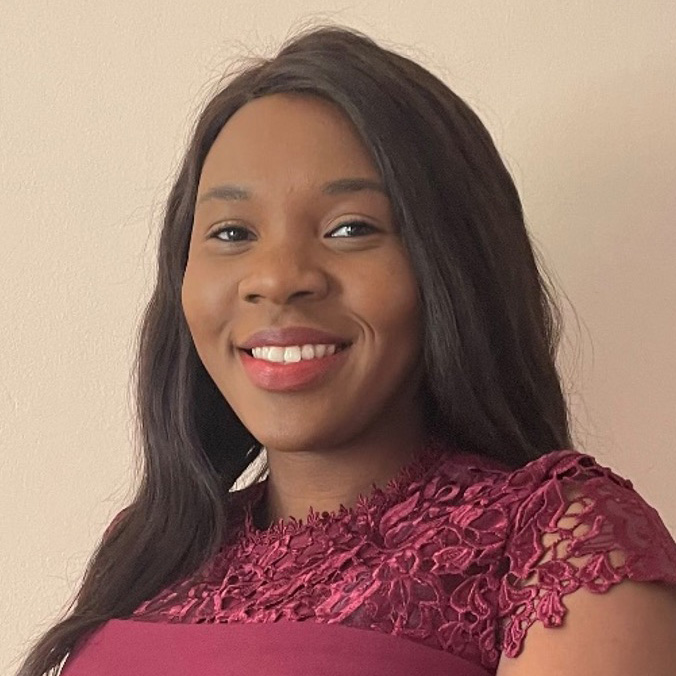
I hold a degree in medicine and surgery (MBBS) from Pavlov First State Medical University in Saint Petersburg, Russia.
My area of expertise is Medicine, Epidemiology. I am still studying.
I am interested in community work, especially in rural Malawi. Simple clinics and educational meetings with locals. Reading, outings to Lake Malawi, hiking.
My advice to new scholars is to take on that daunting task you’ve been going back and forth on, it might just be your most successful project yet.
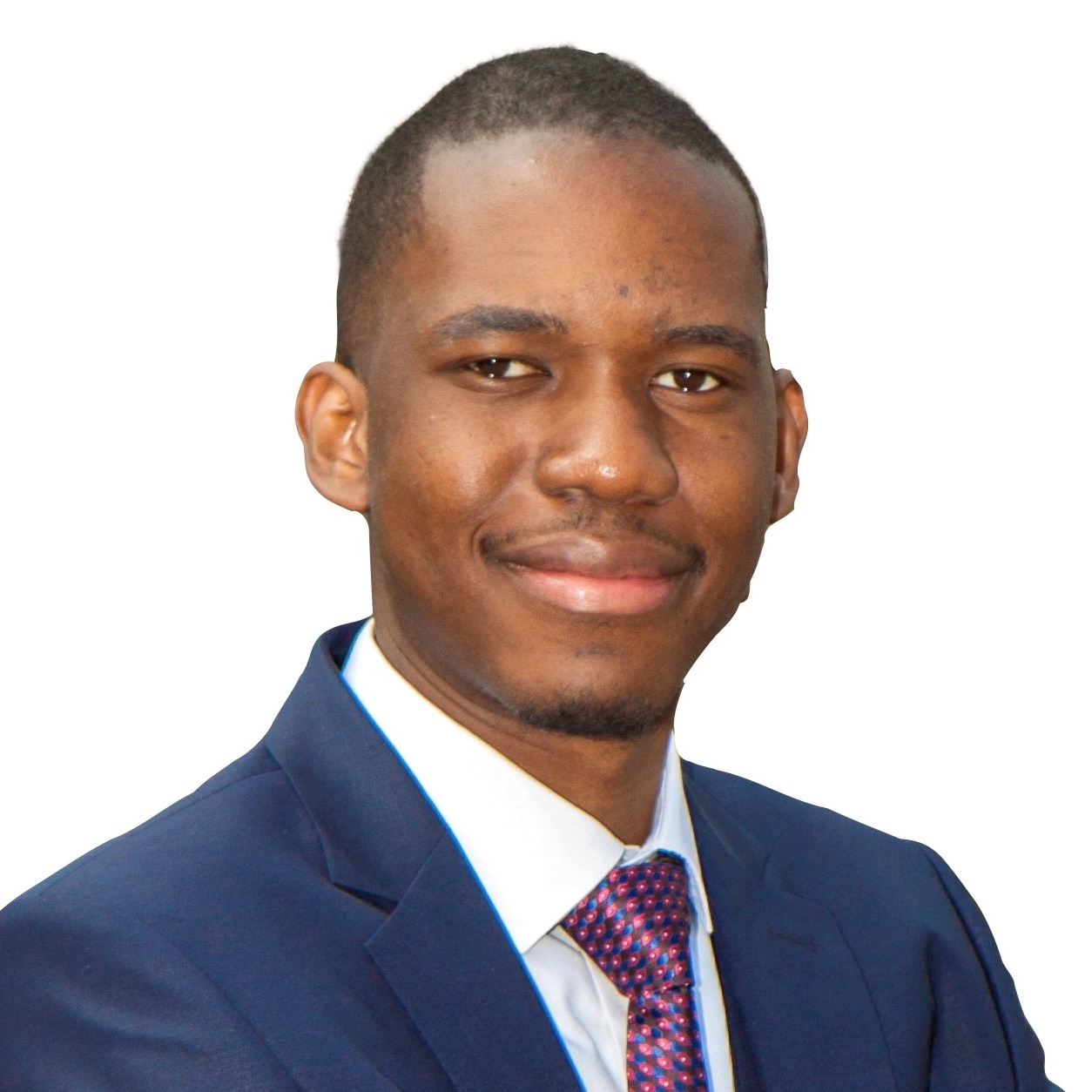
I am a Zambian medical doctor who graduated with honours from Ryazan State Medical University IP Pavlov. I received several awards for academic excellence during my studies. Perhaps, my proudest achievement during was becoming the first African student to ever be awarded first prize in Biochemistry Olympiads at my university. After completion of my studies, I returned to my native country to work as a clinician.
My field of interest is Public Health. In my experience, clinical interventions and their implications are mostly directed at and beneficial only at an individual level. In order to affect change on population level, public health interventions with wider population effects are necessary. The MPhil in Public Health course was a once in a lifetime opportunity to master epidemiological and research principles, and to acquire necessary skills to conduct research and influence policy to reduce inequalities and divergence in health care especially in lower and middle-income countries such as Zambia.
The Beit Scholarship award was for me life-changing in my career, social and personal development. My experience at the University of Cambridge exceeded my expectations. The high-level of intellectual interactions in the academic and social environment with staff and fellow students is priceless. Out of this experience, my intellectual faculties have been elevated, my determination made more resilient, my ambitions and career trajectory more clearer. This opportunity has unlocked my potential and propelled me to higher heights. I have built an international network of friends, collaborators and work experience. I am all the more determined to pursue my ambitions and aspirations.
Since having been awarded the scholarship, I have participated in mentorship programs focusing on medical students and junior doctors interested in public health research. I have also been in touch with my peers and colleagues back in Zambia discussing ideas how to begin applying public health principles at the hospital I used to work at. I intend to find opportunities for research into cardiovascular health in Zambia upon my return.
My professional interests are into the field of public health research into cardiovascular health. In my free time, I enjoy music, reading, motorsports, volleyball movies, working out and travelling.
To the future scholars, you are joining a really awesome community of scholars. Live and enjoy the experience!
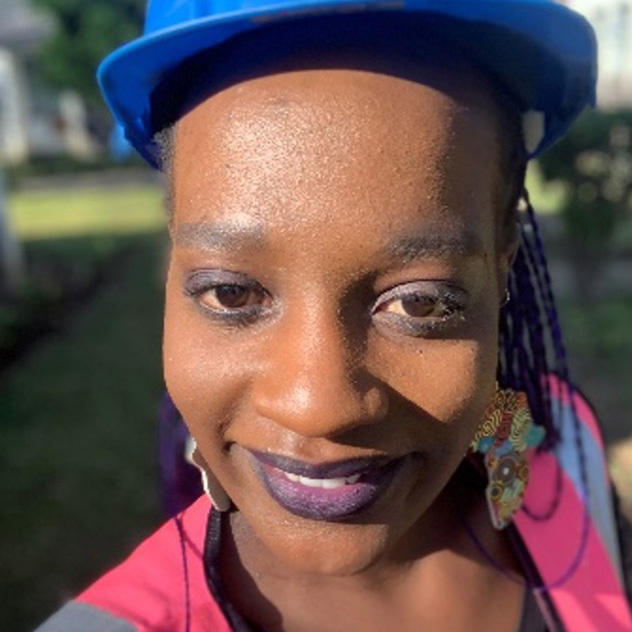
I am a Civil and Environmental Engineer with a BSc in Civil Engineering from the University of Zimbabwe. I graduated with a distinction and was awarded the Arup Zimbabwe Prize for the best graduating student in Civil Engineering (2016).
My main area of academic focus is Construction Engineering Project Management with a particular interest in sustainable and climate-resilient infrastructure. This passion played a major influence in selecting my graduate programme, in Sustainability and Environmental Studies, because it allows me to delve deeper into the exciting concepts of environmental conservation and the circular economy from a global viewpoint.
The Beit Scholarship has opened a window to the world for me to understand the intricacies of global sustainable development. The Beit network has been an invaluable resource centre populated with amazing individuals who are willing to help me attain my full potential.
My professional focus has been predominantly in the energy development area, in which I have participated in two of the largest power plant construction projects in Zimbabwe; the 300MW Kariba South Extension project and the 600MW Hwange Expansion Project with a combined value of over US$2 billion.
I find teaching and sharing my academic and career experiences with the younger generation of future engineers and scientists fulfilling. I have mentored several interns on industrial attachment during my tenure in the energy industry. Over the past year, I have shared some of the Zimbabwean design and construction practices with a group of first-year undergraduates at the University of Strathclyde to develop intercultural competence and promote global engineering mindsets amongst aspiring engineers. I am currently looking at developing engineering resources for 3-8 year-olds using creative art such as games and hands-on activities to challenge stereotypes, broaden aspirations in young children and encourage diversity in engineering. I am also a data science enthusiast who is interested in exploring correlations in sustainable engineering aspects. For instance, it would be interesting to analyze how a nation’s environmental legislation influences its economic policies and impacts on its social prosperity.
My advice to future scholars is that they should pursue options that they are passionate about. However, it is also important to consider the future of the world and how our present actions impact future generations. Therefore it is imperative, in all endeavours, to be guided by the Sustainable Development Goals. Also, in the Beit Trust, you will be part of a family of exceptional individuals with diverse skill sets and a common goal, “To make the world a better place one step at a time.”
The Beit Trust community is more than a group of professionals undertaking postgraduate studies, it is a family that supports and encourages you to break the glass ceiling!
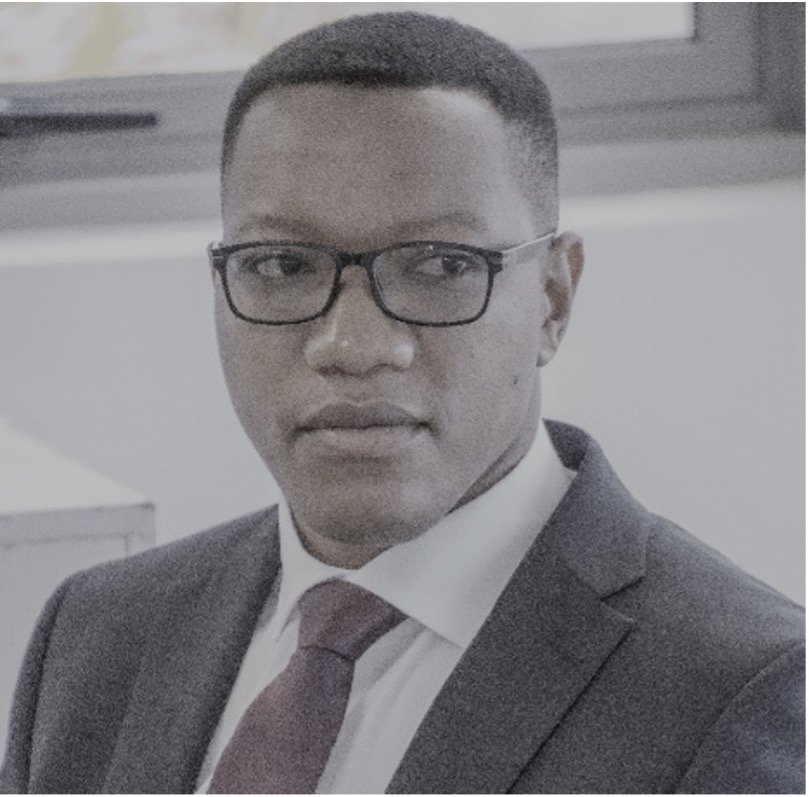
I studied electrical engineering at the University of Cape Town and joined First Quantum Minerals- a copper and gold mining company. I took up various roles in maintenance and completed projects in Zambia and Findland before rising to the post of Specialist – the position I held at the time of receiving the Beit-Leeds Scholarship.
My area of expertise is in Energy Efficiency. The engineering and business courses I took helped me take up leadership roles in my company that would have otherwise taken longer to attain. More so, the award helps me to look for ways in which I can make a difference – no matter how small – in the lives of people I come across.
I have been focused on developing young engineers within my organization to develop their careers through mentorship and looking for opportunities to help them develop.
I am curious about renewable energy technologies and am always looking for ways to implement them in the poor communities in my area. Despite the pandemic, I have taken some time to truly understand the challenges these communities face and I hope to find solutions that meet their needs.
Reading, gardening and playing squash take up the rest of my spare time.
My advice is don’t try to change the world in one day after you graduate. Look for opportunities to spread the Beit spirit of generosity and selflessness wherever you end up within your family and your place of work.
“Sic parvis magna” from small beginnings comes greatness. What will you do today to make someone else’s tomorrow better!
I studied for a Bachelor of Pharmacy at Rhodes University in South Africa for my undergraduate studies. After that, I successfully worked at a teaching hospital under the Ministry of Health in Zambia, and also worked at a hospital under the Ministry of Health in Botswana.
My area of academic expertise is in public health related research. My research interests are in sexual and reproductive health including HIV, of adolescents and young people and men. I chose my postgraduate degree as I was interested in preventing diseases and research in preventing diseases especially HIV.
Without the Beit Scholarship Award, I would never have had the opportunity, nor would I have been able to afford learning at such a well-established and reputable university that provides a world class education. The course allowed me to work in a field I am extremely passionate about. The skills I learnt have allowed me to pursue and achieve my goals especially in research. I have gone on to pursue my PhD, for which I will be graduating next year!
I have worked in Zambia since I completed and have contributed to various research conducted. I have worked on one of the largest universal test and treat trials aimed at HIV prevention conducted in the region. I have also led on a study that aimed at improving adolescents and young people’s Sexual and Reproductive Health in Lusaka.
I love reading and actually spend most of my time reading if I am not working! I enjoy travelling and seeing new places, I especially enjoy visiting the amazing national parks we have in Zambia. I also love spending time with my family and swimming when I get the chance!
My advice is if at first you don’t succeed, try and try again! All the effort is worth it. This award changed my professional and personal life and all because I never gave up!
I graduated from University of Zimbabwe in 2014 with a first class and best student in BSc (Hons) in Electrical Engineering. My area of expertise is in Electrical Engineering and Renewable Energy. I chose a postgraduate course that will enable me to take an active role to solve energy poverty in Africa (especially my country) and also help in the fight against climate change. The Beit Scholarship Award gave me an opportunity to achieve my Masters at a University (and a country) that is leading in Renewable Energy. That way I was able to learn from the best everything to do with the development of Renewable Energy. I am currently applying what I learnt at my workplace where we develop wind and solar farms in my Zimbabwe.
I love to be with the nature. I spend my spare time doing nature walks, going to the parks and doing gardening. I like to do activities that move me out of my comfort zone like hiking, abseiling, and running. Generally, I am a sports person – I love soccer, cricket and tennis.
My advice for future scholars is please do not forget to enjoy yourself as you do your studies. Make memories and friends that last long as you study. Work hard in your studies and create networks as well.
I am a public health specialist with a medical degree in Medicine and Surgery from the University of Zimbabwe and I have spent the past 8-9years managing public health programs in Sierra Leone 🇸🇱 and Malawi across various disciplines (Infection, prevention and control, sexual reproductive health, maternal, newborn and child health) in order to improve MNCH outcomes.
In Public health I enjoy working with the most vulnerable populations in society (women, girls, children) making sure that their voices are heard and needs met.
The Beit Trust Scholarship enabled me to pursue my passion in international public health which has catapulted me to where I am today, serving women, girls and children in Malawi, one of the poorest countries with poor maternal and under 5 indicators. Contributing to the country’s health system, strengthening it to ensure quality RMNCH services makes me a proud Beit Scholar!
I am currently serving as an International United Nations Volunteer in Malawi, which is my small way of ploughing back into the community.
I am a netball fanatic, recently participated in the UN all Africa games in Namibia and won a silver medal for team Malawi!
Determination and passion is key and it doesn’t matter what your background is, anything is possible, believe in yourself and leave the rest to God. He makes all things possible at the right time!
I would like to thank the Beit Scholarship family for helping me realize my dream, forever grateful!

In 2013, I pursued a BSc (Hons) Degree from the National University of Science and Technology (NUST) in Applied Biology and Biochemistry. I graduated with Distinction in 2017 and received the Dean’s Award in my first and final years. My undergraduate Honours research focused on profiling Candida based infections in local hospitals and assessing the efficacy of commonly prescribed antifungal drugs. I completed my Postgraduate studies in Infection Immunity and Human Disease from the University of Leeds in 2020 where I graduated with Distinction and made the Dean’s List.
While I hold a deep interest for biological sciences in general; I have a very strong passion for disease control and the economics of healthcare. As such, the choice of my post graduate studies gave me a more granular understanding of the dynamics of disease and the direction that science is going to better understand and deal with different classes of disease.
The Beit-Leeds Scholarship allowed me to advance my academic career and access a world class education from a Russel Group University. I was blessed with the opportunity to learn in state-of-the-art teaching and research facilities. The exposure allowed me to connect with leading academics and their research. More importantly, the exposure allowed me to find my academic voice with a Master’s Thesis focused on growth factors regulating Epidermoid Carcinomas.
Following the completion of my MSc, I have continued in the path of research and innovation through technology transfer with leading consultancies who help technology driven SME’s in the EEA to access funding for research and innovation. As an Innovation, Project and Funding Consultant, I find myself poised to give back to the region through an interdisciplinary perspective. I have so far engaged a number of key stakeholders in the local/regional research and health space, and I am hopeful that something positive will come from these efforts.
As an Innovation, Project and Funding Consultant, I find myself poised to give back to the region through an interdisciplinary perspective. I have so far engaged a number of key stakeholders in the local/regional research and health space, and I am hopeful that something positive will come from these efforts.
Reading and regular exercise are among my hobbies.
My advice to future students is to stay true to your God ordained passions, interests and competencies. Where disciplines do not exist to fully describe your passions you can always (and should always) forge your own path taking what is useful from what is known and discarding what is not. I have also found that remaining open minded is the best way to figure out what life might have in store for you. Taking risks is scary, starting anew is daunting but remaining where you are when your potential consistently challenges you to be better is a slow death that I wish on no one. All the best. The world is yours.
“when you change the way you look at things, the things you look at change” ~ Wayne Dyer

In 2014 I obtained a BSc in Conservation Ecology from Stellenbosch University. As part of my final year thesis, I studied African wild dog denning behaviour in the Save Valley Conservancy in partnership with the African Wildlife Conservation Fund (AWCF).
My area of expertise is Conservation Biology. I chose to pursue a PhD in zoology as I am passionate about wildlife conservation, particularly an emerging field of study referred to as ‘conservation technology’. I believe technology can help us solve many of the wildlife conservation challenges we face today. My PhD focused on exploring the design and application of acoustic sensing devices for monitoring lions and other large, vocally-active species.
The Beit Scholarship was instrumental in allowing me to progress beyond my undergraduate studies and gave me the opportunity to attend a world-class university where I was equipped with the knowledge and tools to establish myself as a conservation biologist. I am now a postdoctoral researcher working to develop new technology for wildlife conservation and am extremely grateful to the Beit Trust for helping me get this far.
When I began my PhD research I also took on the role of managing the Bubye Valley Conservation Research Project. Our team carried out valuable ecological surveys to guide conservation management and have more recently provided the first population estimate of brown hyenas in the area. Since completing my PhD I have continued to be involved in this project and regularly assist with ongoing surveys.
I am passionate about all things to do with nature and enjoy spending time exploring wild places such as kayaking down rivers or hiking up mountains. I am also very practical and seek out opportunities to design and build solutions to various problems.
My advice to future scholars is to work hard, but take time to rest. When faced with setbacks, treat them as opportunities to learn. Take advantage of opportunities to network and collaborate with others in your field.
I am the Founder and Director of Ndinewe Foundation, a nonprofit organization focused on promoting good mental health among children, adolescents, and youths. In July 2022, we launched a mental health booklet that was endorsed by the Allied Health Practitioners Council of Zimbabwe. I hold a first-class degree in Psychology from the University of Zimbabwe and was awarded a book prize for my academic performance. Additionally, I was recognized as one of the ten 2022 Junior Chamber International (JCI) Zimbabwe honourees for my achievements in psychology and for making a positive impact in my sphere of influence. Furthermore, I am the recipient of the 2023 Diana Award, which is the highest honour given to young people for their social action or humanitarian efforts. This prestigious award is given in memory of Princess Diana and is administered by the charity that bears her name, with the support of her sons, HRH The Prince of Wales and The Duke of Sussex.
My academic interests lie in neurodevelopmental conditions and mental health research. I decided to pursue an MPhil in Basic and Translational Neuroscience to gain a deeper understanding of how the brain functions and its relationship with human behaviour. Given the increasing prevalence of mental health conditions, it is crucial to develop personalized treatment plans for individuals. I believe that a comprehensive understanding of the mental health risk factors, which encompass social, cultural, and biological factors, is essential for achieving this goal.
The Beit Scholarship granted me access to opportunities that I never thought were possible. To begin with, I was able to enrol in one of the top universities globally. As a child, this was only an unattainable dream, but the Beit Scholarship transformed it into a reality. Through the scholarship, I attended various training programs and courses that have helped me grow as a scientist, equipping me with the necessary skills to further my research. Presently, I am pursuing a PhD in Psychiatry at Cambridge, focusing on autism and mental health research.
I am committed to expanding the Ndinewe Foundation’s research branch to investigate the mental health risk factors affecting young people. By doing so, we aim to develop evidence-based advocacy campaigns that can drive policy change. Currently, Ndinewe hosts monthly campaigns to provide mental health education and support for young people. Additionally, we offer a Mental Health Education Course that trains young people to become mental health advocates and exposes them to various mental health research projects. In 2023, we had the privilege of collaborating with the University of Cambridge and East Anglia’s PhD students. Moving forward, I intend to extend Ndinewe’s work throughout Zimbabwe and eventually across Africa.
In my spare time I enjoy reading books, blogging, and devoting my time to mental health advocacy work.
I believe that with the right mindset and determination, you can turn your dreams into reality. It is natural to doubt ourselves at times but remember that you are capable of achieving great things. Taking that first step is often the hardest part, but once you do, you will be on your way to making your dreams a reality.
I am forever grateful to Beit Trust for transforming my life.
I studied a BSc in Wildlife Management. My thesis looked at the drivers of disperser species richness and fruit off-take on several trees of the same species.
My area of expertise is biodiversity conservation. We need innovative solutions to protect our environment as well as improve societal wellbeing.
The Beit award was a great platform form me to explore deeper my academic interests and how this can contribute to a achieving a sustainable society. Upon completing my masters, I moved on to pursue a PhD in Science and Policy in Switzerland. My current research focusses on the role of biodiversity in sustainable energy transitions.
My current research focusses on Africa with the aim to improve our understanding on the vital role of biodiversity in reducing carbon emissions.
In my spare time I am very passionate about photography, especially wildlife and landscape photography. Besides, I love playing music.
My advice to potential scholars is that motivation, passion and self-discovery are key to achieving success. It has been said that a single seed can only become a forest when placed in the right environment.
I got a first class honors degree in Accountancy at Chinhoyi University of Technology in 2016 and was actively involved in leadership activities like participating in the Young African Leadership Initiative (YALI RLC) in South Africa in 2017.
I have always had a passion for Accounting since a young age when I studied Accountancy at both Ordinary and Advanced levels without a teacher and got distinctions. Choosing Accounting was a natural choice.
I will forever be indebted to the Beit Trust Scholarship for granting me this life time opportunity of studying at the prestigious Edinburgh University in a country full of opportunities for growth, diversity and a rich culture by fully funding my studies and personal costs. Without their generosity I would not have made it this far. Thank you very much for this 100% support. The trust also gave me a helping hand through constant communication and support with dealing with academic and personal challenges especially when transitioning to life in the UK, doing my dissertation and progressing with my studies. I am now studying CIMA and progressing on my journey to become a chartered accountant soon.
I did a dissertation focusing on Intellectual capacity in South Africa and opportunities for economic growth and I am in constant contact with my colleagues back in Zimbabwe trying to form an audit firm.
I am a Liverpool fc fan, always love to see them play. I also help the Edinburgh University Business School international students by giving alumni talks on how to stay focused on their studies, adapt to life in the UK and grab opportunities in their studies and beyond.
My advice for prospective scholars is to go out there and be proactive in your studies and take the opportunity to immense yourself in the culture of the country that you find yourself in. The Beit Trust scholarship is a lifetime opportunity which you should use and be grateful for.
I am proud to be a Beit Scholar and hope that the scholarship will continue to provide support to other bright African scholars to fulfil their potential by studying abroad
I am a Zambian trained medical doctor noted for excellence within and beyond the academic sphere. This allowed me to serve as an academic assistant mentoring and tutoring student doctors. I simultaneously served in the church leading both the youth and health departments in successive years. I was a core part of the top performing soccer, athletics and basketball teams. My final role in undergrad was as vice president of a student-elected board tasked with facilitating employment for newly graduated doctors.
My area of relative expertise is in Emergency Medicine. I was one of five doctors selected to pioneer and train in this area of medicine in Zambia. A short period of practice was enough to reveal that the challenges I experienced, were repeated in different ways in various sectors and occurred on a spectrum extending from end-user to high level policy. This awakened a desire to scale-up my impact and training in public policy, albeit foreign territory for a medical doctor, seemed a great way to start.
Paul Coelho says “when you want something, all the universe conspires in helping you to achieve it.” I believe the BEIT Trust worked as an instrument in Gods hands to bridge the gap between my previous station and my aspirations. I have since begun the process of registering a think tank that will facilitate the production of quality research and it’s translation into effective policy with an initial focus on health and wellness.
Having left practice for a year, I committed to going back to the role I left in order to facilitate training of new doctors. I have also shared opportunities for youths with the BEIT trust and other organizations with the hope that this will help them realize their dreams. Overall, the plan is to help improve the policy landscape through the think tank (assisted by networks with NGOs) so that those who may not be able to obtain international scholarships still have good opportunity at home. It is still in its infancy but it will be achieved.
In my spare time I enjoy soccer, athletics, powerlifting, music, singing and poetry. I’m involved in food distribution and sharing free religious and self-help books.
My advice to new Beit Scholars is to make the most of your opportunity, this means creating it for others too.
“In scholarly pride, we ascend with grace, but remember, we’re born of a dream’s embrace,
Success beckons to create paths anew, Opportunity for others, a legacy true.” -Kakungu Kaite
I studied Medicine, graduated with merit. My area of expertise is Medicine; Masters and Fellow in radiation and clinical oncology.
The Beit Scholarship massively assisted in bridging the affordability of living and studying in Cape Town.
I give back to my country via technical projects that uplift cancer care services.
In my spare time I enjoy playing squash and cycling.
Future Beit Scholars should know that the scholarship program is very empowering.
I hold a Bachelor of Engineering in Mining Engineering, majoring in Rock Mechanics, from The Copperbelt University in Zambia.
Some of my success stories upon joining the mining industry were being the first female Underground (management) Mining Engineer/Mine Captain at one of the major mining companies in Zambia, first female Mine Rescuer in Zambia, was awarded Zambian Mining Woman of the year 2014 by The Zambia Chamber of Mines.
I have a postgraduate degree in Mining Engineering, specialising in Rock Mechanics & Geotechnical Engineering. I chose my postgraduate course because I already had knowledge in geotechnics of rock and needed to learn on the geotechnical engineering of soil too.
The Beit Scholarship Award helped me achieve my goals in that by and after attaining my MSc Degree from Imperial College London, including my industry work experience, I was beginning to be locally (Zambia) & internationally recognised by so many mining companies as a qualified and competent Geotechnical Engineer. In short, this opportunity opened so many doors of employment/opportunities for me worldwide.
I have given back to my region mostly by encouraging the young ladies/women at different levels of learning institutions to be encouraged & courageous enough to pursue even careers that are deemed by society as male dominated. I have done this through holding career talks.
I have also given back by having worked in the mining industry in Zambia after my studies.
In my sparetime I enjoy reading, cooking, singing, voluntary work and donating at orphanages, camping, watching documentaries/movies, etc.
My advice to future scholars is that nothing is impossible to attain and achieve, and the sky is not the limit. There is much more beyond the sky!